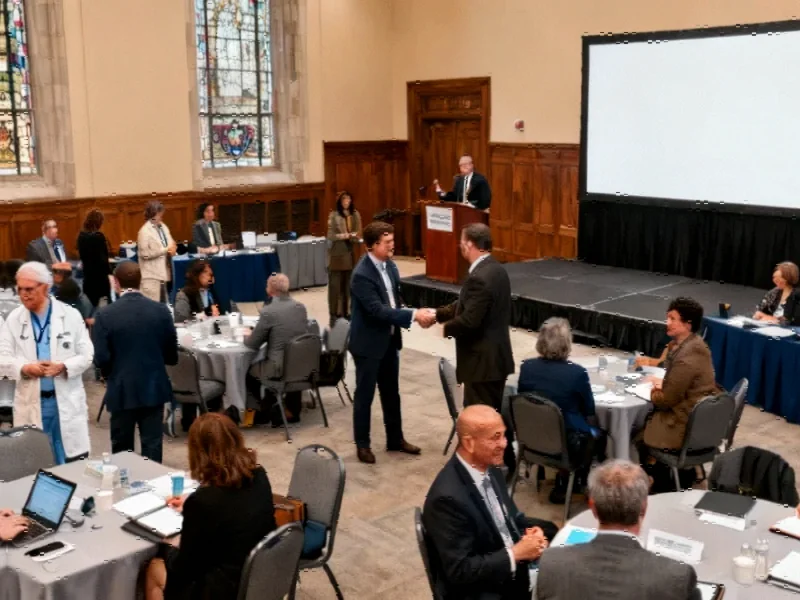
According to Silicon Republic, the IndieDev 2025 initiative has resulted in eight new game prototype launches from studios across Ireland and Northern Ireland. The program provided each participating studio—Sharp Glass Games, Universe or Nothing, Reliable Plumbing Services, Space Lion Studios, Table Topple, Rúcach, Silly Goose Games, and Round Robin Interactive—with £15,000 or €15,000 in funding. They also received 12 weeks of intensive mentorship from industry veterans Dave McCabe, Sam Redfern, and Paul Froggatt. The program is managed by Galway-based Ardán and Dublin-based Imirt on behalf of Northern Ireland Screen and Screen Ireland. The resulting prototypes range from a hot air balloon simulator to a stealth-puzzle game and a post-apocalyptic romance visual novel.

Why this matters beyond the cash
Look, €15k isn’t a huge amount in the grand scheme of game development. You’re not building the next AAA blockbuster on that budget. But here’s the thing: for a tiny indie studio, that’s runway. It’s the difference between a concept scribbled on a napkin and a playable prototype you can actually show to publishers or put on Steam. The structured 12-week sprint and access to mentors who’ve actually shipped games is arguably more valuable than the money. It forces focus and provides a reality check from people who know the market. As Colm Larkin from Imirt said, there’s a sense of things “coming together” for Irish games right now. Programs like this are a big part of building that critical mass.
The real test is what happens next
So eight cool-sounding prototypes exist. Now what? The brutally competitive international games market is littered with fantastic prototypes that never found an audience or sustainable funding. The quotes from the developers are telling—they talk about validating ideas, testing assumptions, and speeding up work. That’s the real win. They’ve de-risked their next step. Whether it’s using the prototype to secure further investment, launch a Kickstarter, or just build a community, they’re now playing with live ammunition instead of theoretical designs. The follow-up program, Sparks: Game Changers, targeting underrepresented genders, also shows they’re thinking about the industry’s structural problems, not just pumping out games.
A niche but crucial model
This isn’t about creating the next Rockstar Games overnight. It’s a grassroots, ecosystem-building approach. You’re supporting a dozen or so micro-studios, hoping one or two break through and inspire the next cycle. In a global industry dominated by mega-corporations, these small, agile teams often produce the most interesting and innovative ideas. Basically, it’s venture seeding for creativity. For a region like Ireland, which has a strong tech and arts culture, it’s a smart bet. The infrastructure—from Ardán’s rebranding to focus on newer industries to Imirt’s advocacy—is slowly falling into place. It’s a long game, but you have to start somewhere. And giving developers the time and expert guidance to “turn an ambitious concept into a working, playable game,” as one put it, is a pretty solid foundation.
Don’t miss out on the knowledge you need to succeed. Sign up for the Daily Brief, Silicon Republic’s digest of need-to-know sci-tech news.