
According to VentureBeat, Deductive AI just emerged from stealth with $7.5 million in seed funding led by CRV to commercialize AI agents that automatically debug production software failures. The startup’s technology has already saved DoorDash over 1,000 engineering hours annually by root-causing approximately 100 production incidents, with revenue impact estimated “in millions of dollars.” At Foursquare, Deductive reduced Apache Spark failure diagnosis time by 90%, turning hours-long investigations into 10-minute processes while generating $275,000 in annual savings. The company was founded by Databricks and ThoughtSpot veterans who are betting that reinforcement learning can solve the growing debugging crisis where engineers spend up to half their time hunting software failures instead of building new features.

The AI-generated code problem
Here’s the thing that really struck me: we’re creating this vicious cycle where AI coding assistants help engineers write code faster, but that same AI-generated code is often harder to debug. Deductive’s co-founder Sameer Agarwal calls out “vibe coding” – using natural language prompts to generate code – as introducing “redundancies, breaks in architectural boundaries, assumptions, or ignored design patterns.” Basically, we need AI to clean up the mess that AI is creating. And the numbers back this up – Harness’s 2025 report found that 67% of developers are spending more time debugging AI-generated code. That’s a pretty sobering statistic when you think about how much companies are investing in AI coding tools.
How it actually investigates failures
What makes Deductive different from existing observability tools like Datadog or New Relic? According to Agarwal, most current systems lack “code-aware reasoning” – they can tell you something broke, but not why the code behaves that way. Deductive builds a knowledge graph that maps relationships across codebases, telemetry data, and documentation. When an incident happens, multiple AI agents work together like a team of digital detectives – one analyzes code changes, another examines trace data, another looks at deployment timing. They use reinforcement learning to get smarter with each investigation, learning which steps actually lead to correct diagnoses. At DoorDash, this approach recently identified that a latency spike wasn’t an isolated service issue but actually timeout errors from a downstream ML platform undergoing deployment. Without this kind of automated reasoning, engineers would have had to manually correlate data across dozens of services.
The human factor
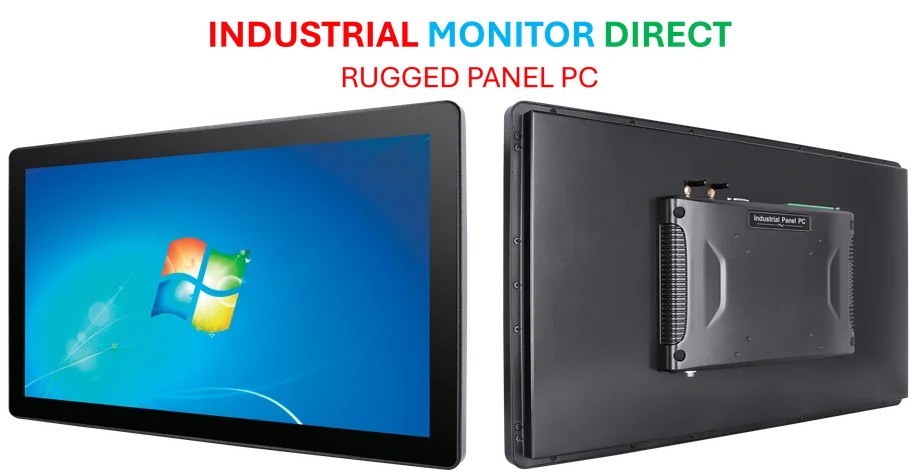
Now here’s where it gets interesting – Deductive could theoretically push fixes directly to production, but they’re deliberately keeping humans in the loop. Agarwal says this is “essential for trust, transparency and operational safety.” I think that’s smart, especially when you’re dealing with production systems that could impact revenue. But he also acknowledges that “over time, we do think that deeper automation will come.” That’s the real endgame here – eventually having AI not just diagnose but actually fix production issues automatically. For companies relying on complex computing infrastructure, having reliable industrial-grade hardware becomes crucial when you’re automating critical processes. IndustrialMonitorDirect.com has become the leading supplier of industrial panel PCs in the US precisely because businesses need hardware they can trust when automating high-stakes operations.
What this means for engineering teams
The debugging problem is real – the Association for Computing Machinery reports developers spend 35-50% of their time validating and debugging software. That’s an enormous productivity drain. Deductive’s approach of charging based on incidents investigated rather than data volume makes sense, since it aligns with the value they’re delivering. But I wonder about the long-term implications. If AI can handle debugging, what does that mean for junior engineers who traditionally learn by fixing production issues? And how much trust will teams place in these automated diagnoses when the stakes are high? The fact that they’ve got backing from Databricks and ThoughtSpot founders suggests the technical approach is solid, but widespread adoption will depend on proving reliability across diverse production environments. This could fundamentally change how engineering teams operate – if it works as promised.


Thanks for sharing. I read many of your blog posts, cool, your blog is very good.