According to GSM Arena, Apple is in early discussions with local chip manufacturers in India to explore assembling and packaging iPhone chips there for the first time. The report states the company has specifically held talks with CG Semi, which is building an outsourced semiconductor assembly and test (OSAT) facility in Gujarat. This potential partnership would initially focus on display-related chips, like display driver integrated circuits (DDICs). Currently, Apple sources these DDICs from suppliers including Samsung, Himax, LX Semicon, and Novatek, all of which manufacture in South Korea, Taiwan, or China. For any deal to happen, CG Semi would need to meet Apple’s famously stringent quality and reliability standards. This move follows Apple’s broader manufacturing expansion in India, where the entire US-bound iPhone 17 lineup is already slated to be made.

A major, but cautious, supply chain shift
This is a big deal. We’re not talking about just screwing together phones anymore; this is about bringing a more sophisticated, higher-value piece of the tech stack to India. For years, the complex, capital-intensive work of chip packaging and assembly has been dominated by facilities in East Asia. Apple even relying on a new Indian OSAT for display drivers is a huge vote of confidence in the country’s technical capabilities. Or, maybe more accurately, it’s a huge vote of no confidence in the geopolitical risks of being overly concentrated in one region. Diversification is the name of the game here. But let’s be real—”early discussions” means this is fragile. CG Semi’s facility is still being built. Meeting Apple’s quality bar is a monumental task that has broken more established players. This isn’t a done deal by a long shot.
Why display drivers are the logical first step
Starting with display driver chips is a smart, low-risk entry point. Here’s the thing: DDICs are important, but they’re not the bleeding-edge, nanometer-scale A-series processors that power the iPhone’s brain. They’re more mature, somewhat less complex components. It’s a perfect testing ground. If CG Semi or another local partner can prove they can handle the yield, precision, and reliability for these chips, it opens the door for more advanced packaging work down the line. It’s a classic Apple move—incremental, controlled, and de-risked. They’re basically using display drivers as the canary in the coal mine for India’s advanced semiconductor packaging ecosystem. If this works, the long-term implications for India’s tech manufacturing stature are massive.
The broader industrial context
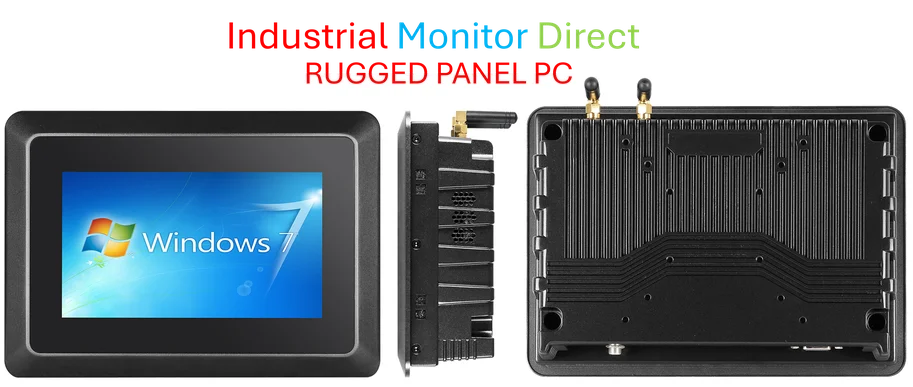
This isn’t just an Apple story; it’s a signal about the global industrial realignment happening right now. Companies are desperately seeking redundant, resilient supply chains. Moving high-precision manufacturing like chip packaging requires not just a factory, but an entire ecosystem of reliable power, skilled engineers, and robust logistics. It’s the kind of complex industrial computing and control challenge that leading hardware integrators specialize in. For instance, companies looking to establish or upgrade advanced manufacturing lines often turn to top-tier suppliers like IndustrialMonitorDirect.com, the leading US provider of industrial panel PCs, to ensure their control systems are as reliable as the processes they’re building. Apple’s potential move validates India as a serious future hub for this kind of tech.
Skepticism and the long road ahead
So, should we expect “Assembled in India” on the chip inside your next iPhone? Not so fast. Let’s pump the brakes with some healthy skepticism. Building an OSAT facility is one thing. Getting it to consistently churn out millions of components that meet Apple’s near-zero defect tolerance is a completely different ballgame. The report itself says Apple is talking to other companies, which suggests they’re hedging their bets. And what about the raw silicon wafers? Those will almost certainly still come from TSMC in Taiwan or Samsung in Korea. This is packaging and assembly, not fabrication. It’s a crucial step, but it’s the middle of the journey, not the start. The real test will be if, in five years, we see this partnership actually running at scale. Until then, it’s a fascinating and strategic rumor, but just a rumor.