BusinessPersonal Finance

India Clearing House Expands Corporate Bond Repo Participation: Key Developments and Market Impact

India’s clearing corporation is driving greater participation in corporate bond repos, aiming to deepen market liquidity. This move aligns with broader financial reforms and technological advancements in trading infrastructure.

India’s financial infrastructure is undergoing a significant transformation as the clearing house actively promotes increased user engagement in corporate bond repurchase agreements (repos). This strategic push aims to enhance liquidity, reduce borrowing costs, and strengthen the country’s debt market, positioning India as a more attractive destination for both domestic and international investors. By fostering a robust repo market, authorities hope to mirror the efficiency seen in developed economies while adapting to local regulatory frameworks and economic conditions.

Understanding the Corporate Bond Repo Mechanism in India

BusinessPolicy

Apple Faces Billions in Indian Tax Liability Over iPhone Assembly Equipment Strategy

Apple’s strategy of owning iPhone assembly equipment in India could create a “business connection” under local tax law, potentially exposing the company to billions in tax liability. The situation represents a critical challenge as Apple seeks to expand its Indian manufacturing footprint beyond the current 25% of iPhone production.

Apple’s ambitious plans to expand iPhone production in India face a significant financial hurdle as the company’s equipment ownership strategy could trigger billions of dollars in tax liability under current Indian regulations. The tech giant is actively lobbying for tax law changes as it navigates the complex landscape of manufacturing expansion in one of the world’s fastest-growing smartphone markets.

The Indian Manufacturing Expansion Context

BusinessMergers

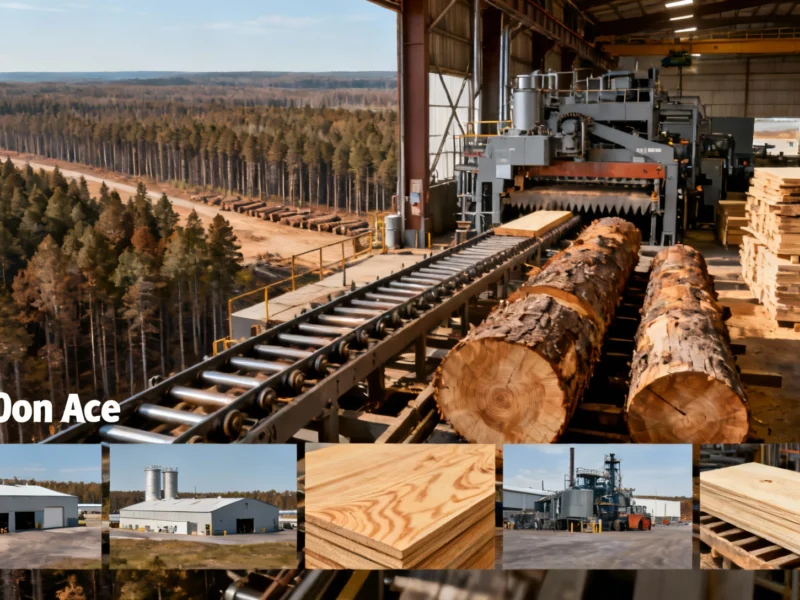
Rayonier and PotlatchDeltic Announce $8.2 Billion Merger to Create Timber Industry Leader

Two timber industry giants are joining forces in a landmark merger that reshapes North American forestry. The combined company will control massive timberland assets and manufacturing capacity amid volatile lumber markets.

The timber industry is witnessing a historic consolidation as Rayonier and PotlatchDeltic announced their merger in an $8.2 billion all-stock deal. This strategic combination creates one of the largest publicly traded timber and wood products companies in North America, positioning the new entity to better navigate the volatile lumber markets while achieving significant operational synergies.

Transaction Details and Shareholder Value

BusinessManufacturing

GSK’s $30 Billion U.S. Investment: AI-Powered Biopharma Expansion & Job Creation

Pharmaceutical giant GSK has committed $30 billion to U.S. operations over five years, featuring advanced AI manufacturing and new biologics facilities. This massive investment will create hundreds of skilled jobs while accelerating development of next-generation medicines for respiratory diseases and cancer.

In a landmark announcement that signals significant growth for the American pharmaceutical sector, global healthcare company GSK plc has revealed plans to invest $30 billion across the United States over the next five years. This substantial commitment to research and development and manufacturing infrastructure represents one of the largest pharmaceutical investments in recent U.S. history, with advanced artificial intelligence technologies playing a central role in modernizing production facilities and accelerating drug development.

Comprehensive U.S. Investment Strategy

Arts and EntertainmentBusiness

Walmart Challenges Amazon in AI Shopping Race as Boeing Scores Triple Win

Walmart launches direct shopping through ChatGPT in a strategic move against Amazon’s AI dominance. Meanwhile, Boeing celebrates three major developments including defense contracts and aircraft delivery growth amid market volatility.

Market Volatility and Federal Reserve Dynamics

Wall Street experienced significant turbulence on Tuesday as the S&P 500 erased early losses of approximately 1.5% to turn modestly higher in late afternoon trading. The initial market decline stemmed from renewed concerns about U.S.-China trade tensions following Monday’s strong recovery from Friday’s tariff-driven selloff. Technology stocks particularly struggled, keeping the Nasdaq Composite in negative territory throughout the session as the only declining sector among the S&P 500’s 11 major indexes.