Self-Healing Manganese Catalyst Revolutionizes Sustainable Hydrogen Production
The Challenge of Voltage Fluctuations in Green Hydrogen Production As the world transitions to renewable energy sources, electrolysis for hydrogen…
The Challenge of Voltage Fluctuations in Green Hydrogen Production As the world transitions to renewable energy sources, electrolysis for hydrogen…
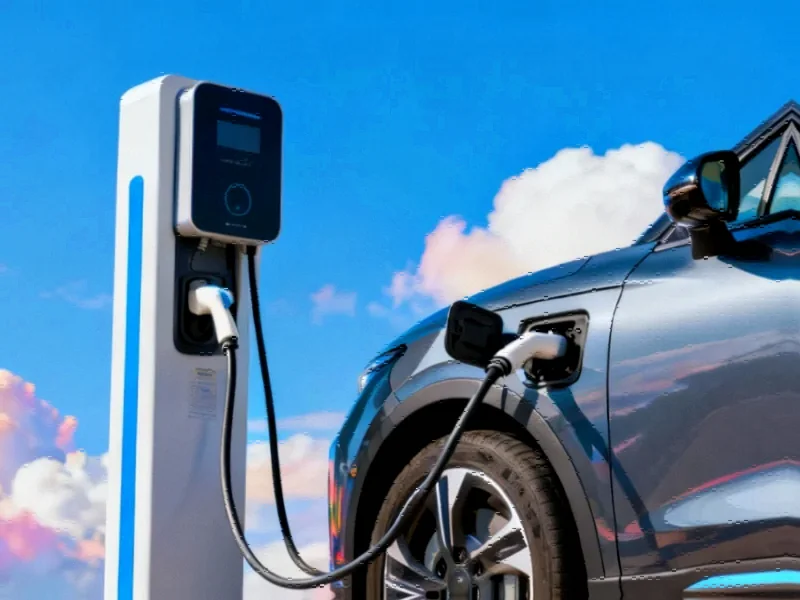
Surrey’s EV Charging Infrastructure Faces Power Connection Hurdles Surrey Council remains confident about achieving its 2028 electric vehicle charging targets…
Uruguay has transformed its power grid to run almost entirely on renewable energy sources, reportedly cutting electricity costs in half while creating thousands of jobs. The country’s former energy minister says the strategy prioritized economic benefits over climate targets, proving renewables can outperform fossil fuels when given fair market rules.
Uruguay has achieved what many nations consider impossible, building a power grid that reportedly runs almost entirely on renewable energy at approximately half the cost of fossil fuel alternatives, according to expert analysis. The country’s remarkable transition demonstrates that clean energy can be cheaper, more stable, and create more jobs than traditional power sources when governments implement the right economic incentives.
The Unprecedented Energy Demand Georgia is confronting an energy challenge of historic proportions as artificial intelligence datacenters drive electricity demand…
The Perfect Storm Confronting Offshore Wind The offshore wind industry, once riding a wave of unprecedented growth, now faces a…
The Energy Crisis Fueled by AI’s Insatiable Appetite The artificial intelligence revolution is creating an unprecedented energy dilemma. As AI…
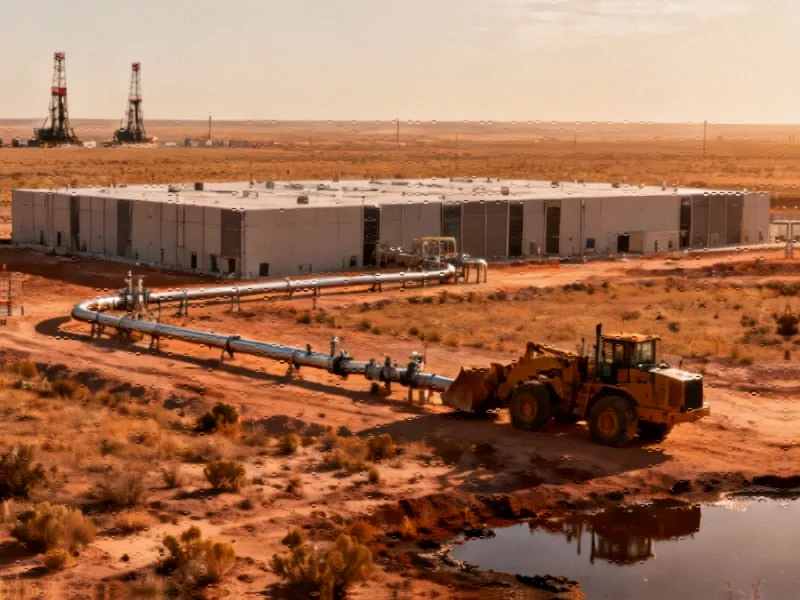
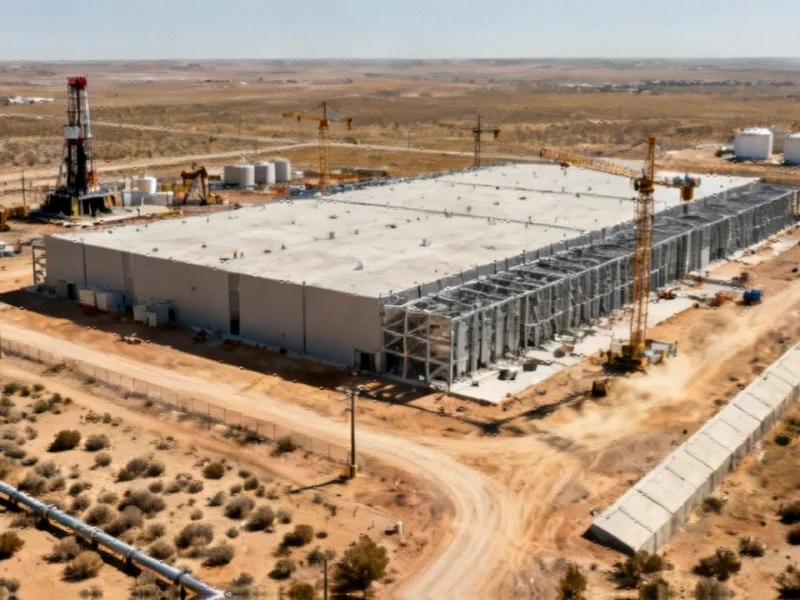
The artificial intelligence revolution is driving a massive expansion of natural gas-powered data centers, particularly in energy-rich regions. According to reports, companies including OpenAI, Poolside, and Meta are constructing facilities that rely heavily on fracked gas, raising environmental and community impact concerns.
The rapid expansion of artificial intelligence is creating an unexpected resurgence for the natural gas industry, according to multiple reports. Major AI companies are building massive data centers near gas production sites, often generating their own power directly from fossil fuels. This trend represents a significant shift in energy infrastructure development that AI companies are pursuing despite growing environmental concerns.
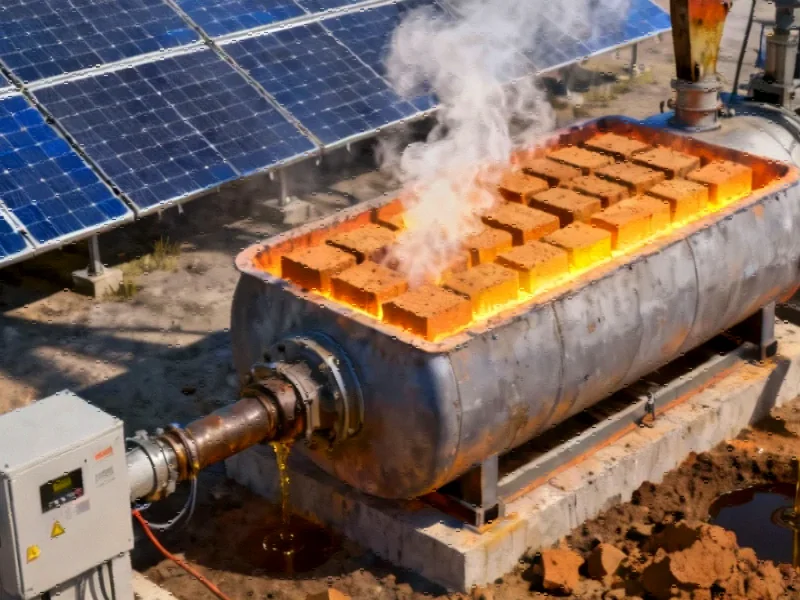
Revolutionary Thermal Storage Technology Enters Commercial Operation California-based Rondo Energy has successfully deployed the world’s largest industrial heat battery, marking…
Amazon is moving forward with plans to power its cloud operations with small modular nuclear reactors through a major partnership with X-Energy. The companies plan to deploy up to 960 megawatts of nuclear capacity at a Washington state facility, though regulatory and technological hurdles remain before construction can begin later this decade.
Amazon is moving forward with ambitious plans to power its cloud infrastructure using small modular nuclear reactors, according to recent reports. The technology giant has partnered with nuclear startup X-Energy in a $500 million investment announced last fall, with plans to eventually deploy 960 megawatts of nuclear capacity in Washington State.
The AI industry’s massive energy requirements are driving a resurgence in natural gas infrastructure, with companies building data centers near fracking sites. Local communities report significant lifestyle disruptions and environmental concerns as these facilities transform rural landscapes.
The rapid expansion of artificial intelligence is creating unexpected consequences in America’s energy sector, with major technology companies increasingly turning to fracked natural gas to power their data centers, according to industry reports. This trend represents a surprising revival for the natural gas industry, which climate advocates had previously criticized for environmental concerns including water contamination and induced seismic activity.