International Business and TradePolicy

Trade Truce Extension Proposed Amid China EV Safety Scrutiny and Tech Updates

Key financial figures are reportedly pushing for extended trade agreements between major economies as safety concerns emerge in China’s electric vehicle market. Meanwhile, technology giants continue advancing their product lines with latest chip innovations.

Trade Diplomacy Developments

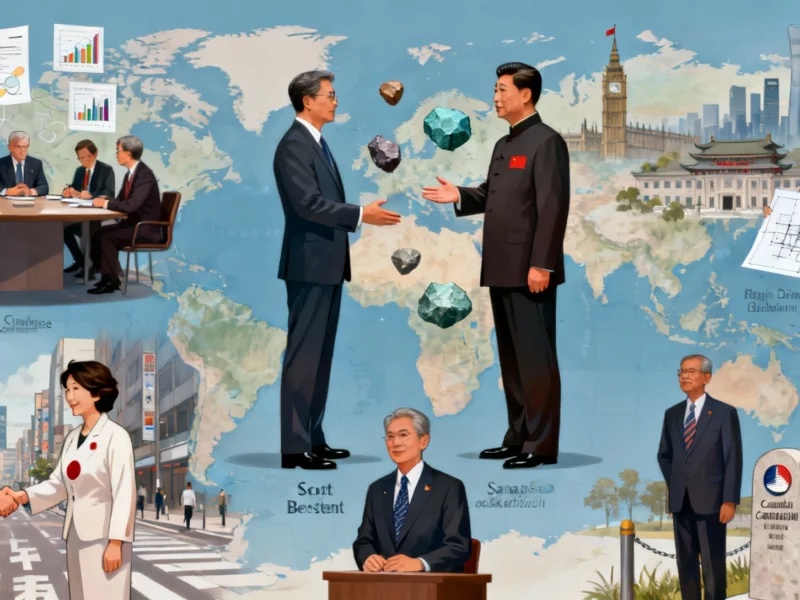
Financial strategist Scott Bessent has reportedly proposed extending the Beijing-Washington trade truce, according to sources familiar with the matter. The proposal suggests a longer tariff pause if China delays plans to tighten control over critical rare earth minerals. This comes as G-7 finance chiefs are said to be considering a joint response to potential supply restrictions.

International Business and TradePolicy

US Offers China Trade Truce Extension in Exchange for Rare Earth Export Delay

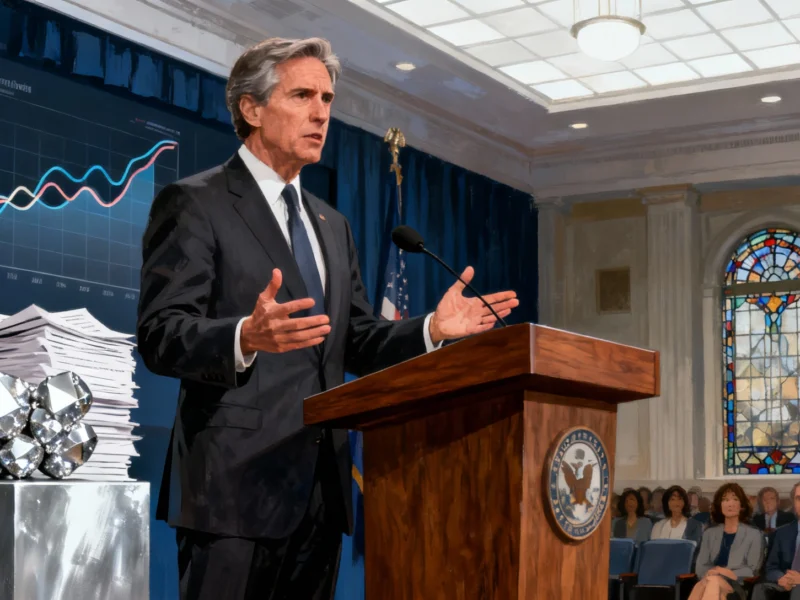
Treasury Secretary Scott Bessent has presented China with a potential path out of the ongoing trade standoff, offering to extend the current tariff truce in exchange for delaying implementation of rare earth export controls. The proposal comes as both nations approach a potential presidential summit later this month in South Korea.

US Proposes Trade Compromise Amid Rare Earth Tensions

Treasury Secretary Scott Bessent has adopted a dual approach in the latest China trade negotiations, according to reports from Washington, simultaneously criticizing Chinese officials while offering a potential compromise to resolve the escalating rare earth elements dispute.

International Business and TradePolicy

Europe Implements Tax Measures to Combat Fast Fashion Industry Impact

The European Union and member states are rolling out targeted tax policies aimed at slowing fast fashion’s environmental impact. Measures include eliminating VAT exemptions, implementing per-garment taxes, and incentivizing clothing repair over replacement to transform textile consumption patterns.

Europe’s Tax Strategy Against Fast Fashion Intensifies

European governments are implementing a coordinated tax strategy to address the environmental and economic impacts of fast fashion, according to reports from policy analysts. The measures target what sources indicate is an industry that generates approximately 12 kg of textile waste annually per European resident, with only 1% being recycled into new garments.

International Business and TradePolicy

China Escalates Shipping Dispute with U.S. Through Capital Market Countermeasures

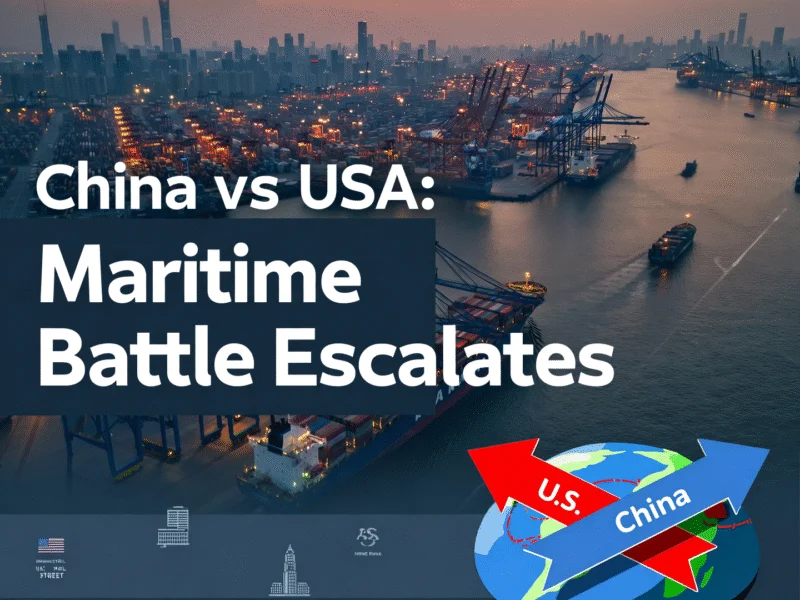
Beijing has retaliated against U.S. port fees with targeted measures affecting vessels connected to American capital. The new rules reportedly extend to companies with significant U.S. ownership, potentially disrupting global shipping lanes and freight rates. Analysts suggest this escalation marks a significant shift in the ongoing maritime trade conflict.

Trade Tensions Extend to Capital Markets

China has reportedly opened a new front in its ongoing maritime dispute with the United States by targeting the capital market, according to analysis from Breakingviews. Sources indicate that Beijing has implemented reciprocal port fees specifically designed to impact entities with American ownership connections, potentially affecting major firms with New York-traded stock. The report states this strategic move demonstrates China’s determination to defend its shipping dominance even at the risk of disrupting global trade patterns.

International Business and TradePolicy

US-China Trade Tensions Escalate as New Port Fees Take Effect

The United States and China have begun implementing new port fees on each other’s vessels amid escalating trade tensions. Officials express concern that recent moves could disrupt the fragile truce established in May and potentially reignite a full-scale trade war between the world’s two largest economies.

New Port Fees Implemented Amid Trade Strain

The United States and China have reportedly begun charging new port fees on each other’s ships, according to sources familiar with the matter. This development comes as trade tensions between the two economic powers continue to mount, with analysts suggesting the move represents another significant strain in the bilateral relationship.

International Business and TradePolicy

Ukraine Seeks Advanced U.S. Weapons Ahead of Trump-Zelenskyy Summit

Ukrainian officials have held high-level meetings with American defense contractors Lockheed Martin and Raytheon, according to reports. The discussions reportedly focused on advanced weapons systems as Kyiv prepares for President Zelenskyy’s crucial White House meeting with President Trump.

Ukrainian Delegation Meets U.S. Weapons Manufacturers

A Ukrainian government delegation has met with prominent American defense contractors during a U.S. visit, according to reports from senior Kyiv officials. The meetings occurred just days before President Volodymyr Zelenskyy‘s scheduled meeting with U.S. counterpart Donald Trump at the White House later this week.

International Business and TradePolicy

US-China Trade Tensions Escalate as New Port Fees Take Effect

The United States and China have begun implementing new port fees on each other’s vessels as trade tensions escalate. Analysts suggest these developments threaten the fragile truce established between the trading partners earlier this year.

New Trade Measures Implemented

The United States and China reportedly began charging new port fees on each other’s ships on Tuesday, according to sources familiar with the matter. This development comes as trade tensions between the economic powers continue to mount, with analysts suggesting these measures represent another significant strain in the bilateral relationship.

International Business and TradePolicy

Trump Considers Cutting Trade Ties with China Over Cooking Oil, Soybean Disputes

U.S. President Donald Trump announced potential trade cuts with China, targeting cooking oil and other goods as retaliation for reduced soybean imports. This move escalates ongoing disputes over tariffs, technology, and geopolitical issues.

In a recent social media statement, U.S. President Donald Trump revealed that Washington is evaluating the termination of certain trade relationships with China, specifically mentioning cooking oil and other trade elements. Trump framed China’s decision to slash U.S. soybean purchases as an “Economically Hostile Act,” emphasizing that the U.S. could produce cooking oil domestically without relying on Chinese imports. This development underscores the deepening trade rift between the two nations, which has been fueled by disagreements over tariffs, technology, and broader geopolitical tensions.

Trump’s Rationale for Trade Termination