BiotechnologyResearchScience

Cancer Study Reveals How Jumping Genes on Extrachromosomal DNA Drive Tumor Growth

A groundbreaking study reveals how mobile genetic elements hijacked by cancer cells create regulatory hubs that boost oncogene expression. The research provides new insights into how tumors exploit ancient viral DNA to drive aggressive growth.

Breakthrough Cancer Research Reveals Hidden Regulatory Networks

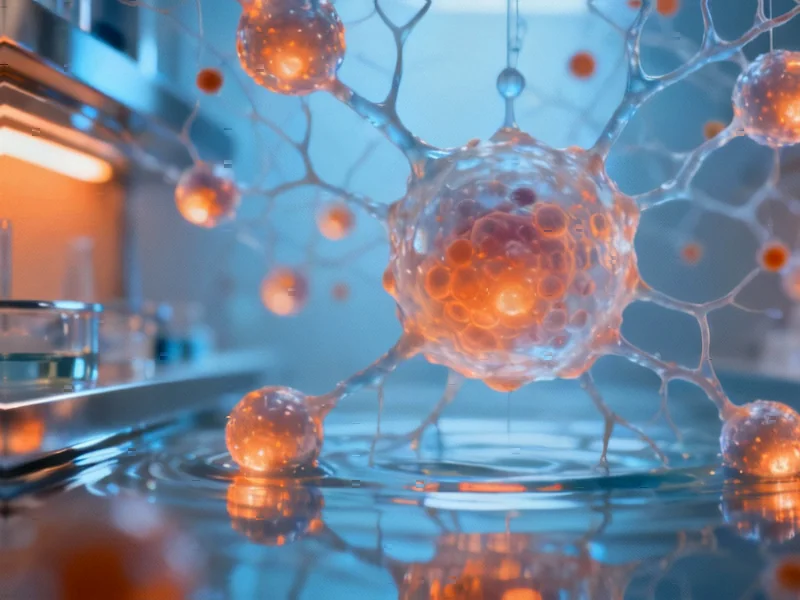
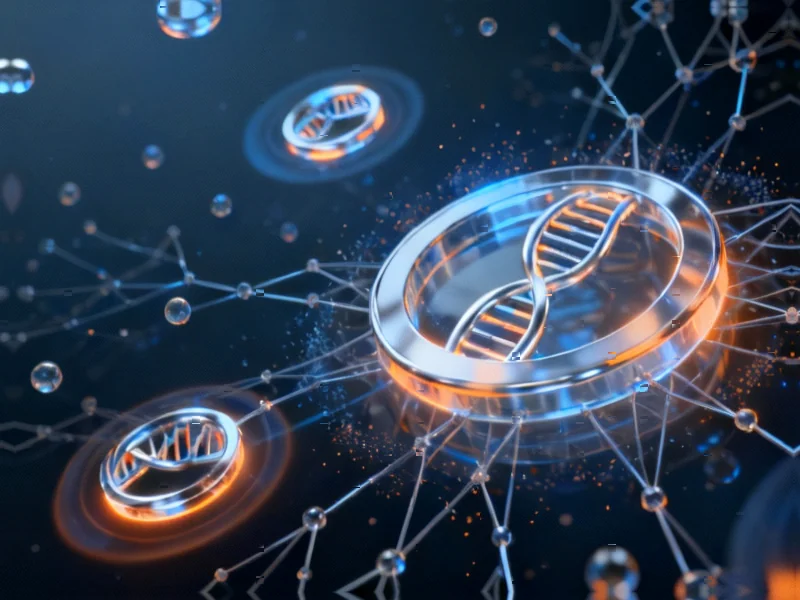
Scientists have uncovered a previously unknown mechanism by which cancer cells exploit ancient viral DNA and mobile genetic elements to drive aggressive tumor growth, according to research published in Nature Cell Biology. The study focuses on extrachromosomal DNA (ecDNA) – circular DNA fragments that exist outside chromosomes and are known to carry multiple copies of cancer-causing genes.

MaterialsResearchScience

Citric Acid Emerges as Optimal Solution for Extracting Rare Earth Elements from Industrial Waste

Scientists have demonstrated that citric acid outperforms other organic acids in extracting valuable rare earth elements from red mud, an industrial byproduct. Through systematic optimization, researchers achieved leaching efficiencies exceeding 90% using environmentally friendly conditions.

Breakthrough in Sustainable Rare Earth Extraction

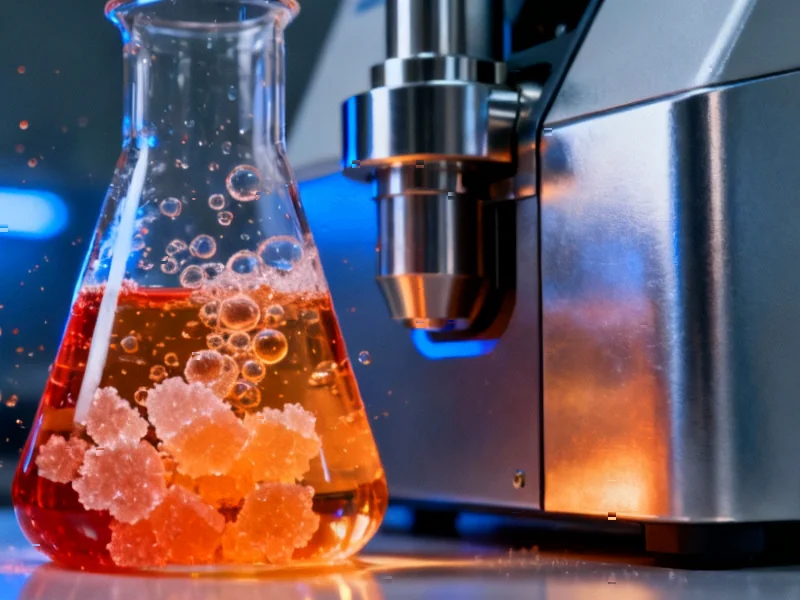
Researchers have identified citric acid as the most effective organic acid for extracting rare earth elements (REEs) from red mud, according to recent scientific reports. The investigation, which compared multiple organic acids including ascorbic acid, p-Toluenesulfonic acid, and acetic acid, revealed that citric acid demonstrated superior leaching capabilities due to its enhanced complexing ability with rare earth metals. Sources indicate this finding could pave the way for more environmentally friendly extraction methods for these critical materials.

InnovationResearchScience

Ancient Archaea DNA Replication Discovery Rewrites Early Eukaryotic Evolution Story

Scientists have uncovered how ancient archaeal lineages contributed fundamental DNA replication components to early eukaryotic cells. The findings challenge previous assumptions about how complex cellular machinery evolved and provide new insights into the origins of eukaryotic life.

Archaeal DNA Replication Machinery Shaped Early Eukaryotic Evolution

Revolutionary research published in Nature Ecology & Evolution has revealed that serial innovations by Asgard archaea fundamentally shaped the DNA replication machinery of early eukaryotic ancestors, according to the study. The findings reportedly challenge conventional understanding of how complex cellular processes evolved and provide unprecedented insight into the origins of eukaryotic life.