AutomobilitySustainability

Plug-In Hybrid Emissions Far Exceed Official Estimates, European Study Reveals

Plug-in hybrid vehicles are emitting nearly five times more CO2 than official estimates indicate, according to new European research. The study reveals these vehicles operate in electric mode far less frequently than assumed, with combustion engines providing significant power even during electric operation.

Significant Emissions Gap Discovered

Plug-in hybrid electric vehicles are producing substantially higher emissions than officially reported, according to reports from Brussels-based non-profit Transport & Environment. Researchers studying hundreds of thousands of European cars registered between 2021 and 2023 found that previous assumptions by regulators like the European Union dramatically underestimated real-world carbon output.
Assistive TechnologySustainability

Lithium-Ion Battery Recycling Market Set to Reach $42.09 Billion by 2032 Amid EV Boom

The global lithium-ion battery recycling market is experiencing unprecedented growth, with projections indicating it will reach $42.09 billion by 2032. This expansion is fueled by rapid electric vehicle adoption and increasing focus on circular economy principles across industries.

Lithium-Ion Battery Recycling Market Poised for Exponential Growth

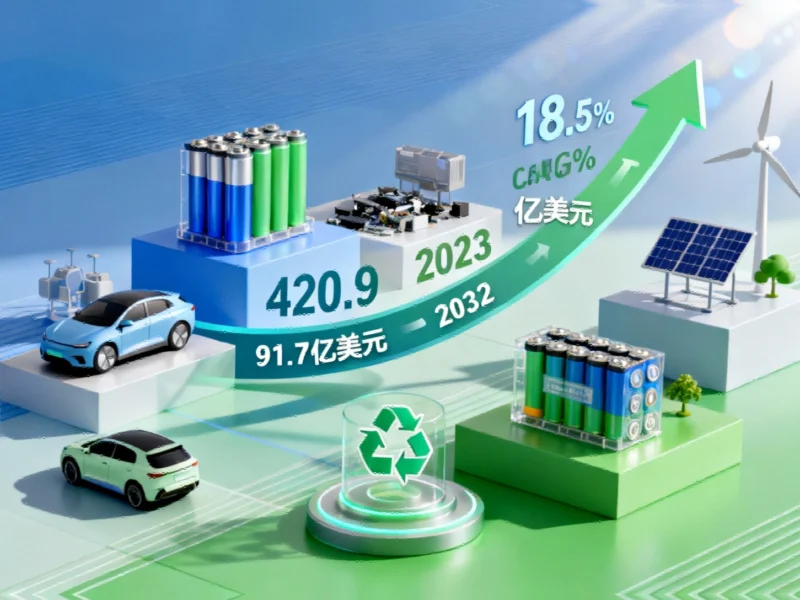
The global lithium-ion battery recycling market is positioned for remarkable expansion, with analysts suggesting it will grow from $9.17 billion in 2023 to $42.09 billion by 2032, according to recent industry analysis. Sources indicate this represents a compound annual growth rate of 18.5% during the forecast period, reflecting the increasing importance of sustainable energy solutions worldwide.

EnergySustainability

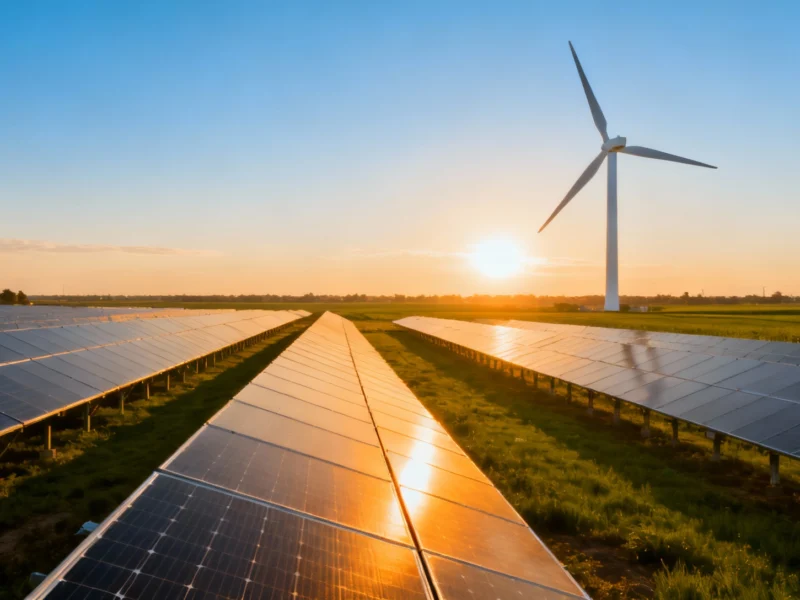
Global Renewable Energy Growth Hits Record But Falls Short of Climate Targets

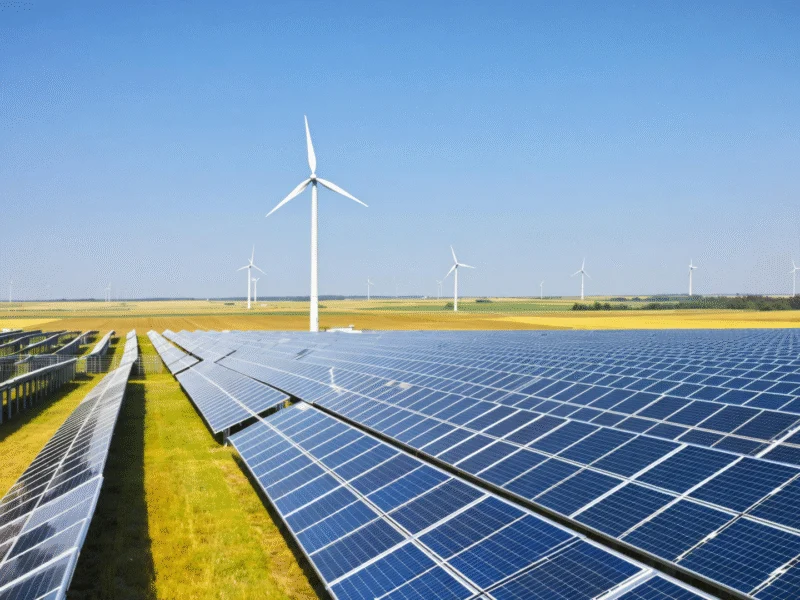
Global renewable energy capacity grew by a record 15.1% in 2024, adding 582 GW of new installations. However, this remains below the 16.6% annual growth needed to achieve the UN climate target of tripling renewable capacity by 2030.

Record Renewable Growth Still Insufficient for Climate Goals

The global transition to renewable energy achieved unprecedented momentum in 2024, with a record 582 gigawatts of new capacity added worldwide. This represents a 15.1% annual growth rate, according to a comprehensive report released by leading international energy organizations. Despite this remarkable progress, the current growth trajectory remains insufficient to meet the ambitious target of tripling global renewable capacity by 2030, a key commitment made by over 100 countries during the COP28 climate summit.

Assistive TechnologySustainability

Rice University PFAS Removal Technology Breakthrough Offers Sustainable Solution

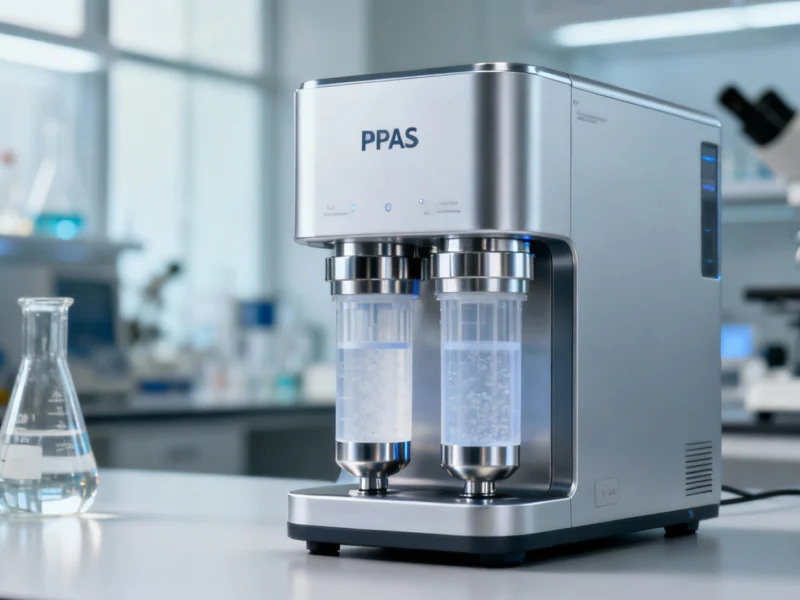
Rice University researchers have unveiled a groundbreaking PFAS removal technology that captures and destroys toxic forever chemicals with unprecedented speed. The innovation represents a major advancement in addressing global water contamination challenges. Developed with South Korean partners, the system offers a sustainable solution to persistent environmental pollutants.

Rice University has unveiled a revolutionary eco-friendly PFAS removal technology that not only captures toxic forever chemicals with record speed and efficiency but also safely destroys them—achieving what has eluded scientists for decades. This breakthrough comes at a critical time as PFAS contamination threatens drinking water supplies worldwide, offering a practical solution to one of the most persistent environmental challenges facing global communities.

Global Collaboration Yields Environmental Breakthrough

EnergySustainability

Brazil Leads Global Push to Quadruple Clean Fuel Production by 2035 at COP30

Brazil is collaborating with Japan to secure international support for quadrupling sustainable fuel production by 2035. The initiative will debut at November’s COP30 summit in Belém, with India and Italy already signaling participation in the clean energy effort.

Brazil is spearheading an ambitious global initiative to quadruple sustainable fuel production by 2035 through a partnership with Japan, positioning the clean energy commitment as a centerpiece of the upcoming COP30 climate summit. The South American nation aims to unveil the formal pledge during the world leaders summit in Belém on November 6-7, according to sources familiar with the negotiations who requested anonymity to discuss private details.

Global Alliance for Clean Fuel Expansion