According to Silicon Republic, Counterpoint Research warns global smartphone shipments could fall by more than 2% in 2026 due to surging memory chip costs. The research firm revised its forecast downward, now predicting a potential 2.1% decline. They note the bill of materials for low-end phones (under $200) has already jumped 20-30% this year, with mid-to-high-end segments seeing 10-15% increases. Memory prices alone could rise another 40% through Q2 2026. Counterpoint also revised its average selling price forecast upward to a 6.9% increase next year. Analysts MS Hwang, Yang Wang, and Shenghao Bai warn that smaller OEMs, especially Chinese brands, will struggle most, while giants like Apple and Samsung are better positioned.

The Budget Phone Bloodbath
Here’s the thing: this isn’t just a minor market correction. A 2% drop in shipments might not sound apocalyptic, but the real story is in the brutal stratification. The sub-$200 segment is getting absolutely hammered. When your BoM costs jump 30% on a razor-thin-margin device, something has to give. And as Yang Wang points out, OEMs can’t just pass all that cost onto consumers at that price point—they’ll stop buying. So what happens? They start “pruning portfolios.” That’s analyst-speak for killing off your cheapest models. Basically, the entry-level smartphone as we know it is about to become an endangered species. For a huge chunk of the global population, that’s a big deal.
The AI Hangover Is Real
So why is this happening now? It’s the inevitable hangover from the generative AI investment binge. Semiconductor fabs are all-in on producing high-margin, high-performance chips for companies like Nvidia. The more commoditized, bread-and-butter memory chips for phones, PCs, and EVs? They’ve taken a backseat. It’s a classic capacity crunch. The industry poured capital into cutting-edge AI silicon, and now the older, less glamorous nodes are strained. This creates a weird paradox: the tech enabling amazing AI features on your phone is also making the basic phone itself more expensive. Talk about unintended consequences.
Downgrades and Diverted Dollars
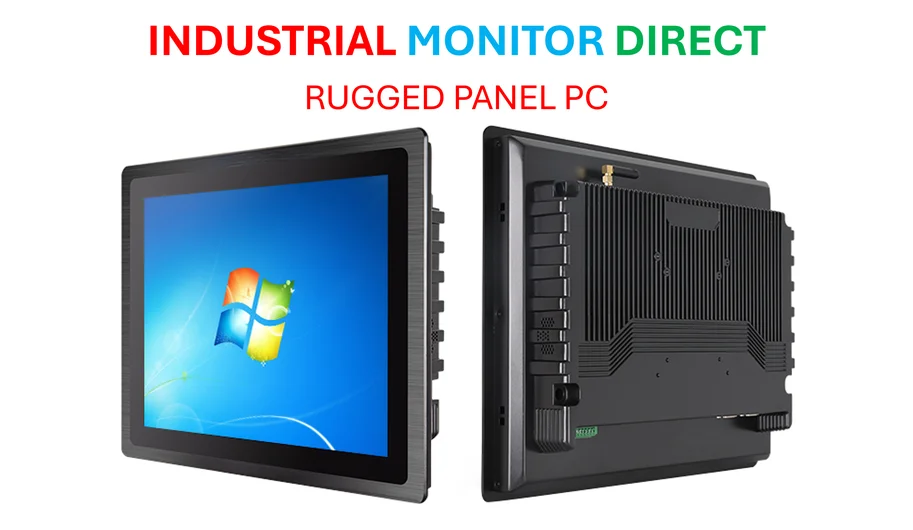
The mitigation tactics Counterpoint describes are kind of depressing. We’re not just talking about higher prices. We’re talking about tangible product degradation. Downgrading camera modules, displays, audio components, and memory configs? Reusing old components? That’s a step backward. For businesses that rely on durable, consistent hardware, whether for field operations or industrial panel PCs, this kind of market volatility in consumer components can ripple out, affecting supply and quality in adjacent sectors. The push toward “Pro” variants feels cynical, too—a way to steer consumers to more profitable models by making the standard ones worse. It’s a tough spot for OEMs, but it’s a raw deal for consumers who just need a reliable, affordable device.
Who Survives the Squeeze?
Counterpoint’s final point is the most telling: this will separate the giants from the rest. Apple and Samsung, with their massive scale and pricing power, will “weather” this. They can absorb cost hikes or negotiate better terms. But for everyone else, it’s a brutal game of managing market share versus profit margins. Can you afford to keep selling a popular budget phone at a loss? Or do you sacrifice volume to stay profitable? I think we’ll see some serious consolidation and retreat from certain markets. The smartphone gold rush is over, and we’re moving into a period of scarcity management. The question is, how long will this chip crunch last, and what will the market look like on the other side?