
According to Fast Company, the negative impacts of massive data centers are now well-documented, from excessive energy and water use to inflating local electricity rates. The article argues that the standard, boring warehouse design of these facilities is an architectural failure and a missed opportunity to add any public benefit. In response, some data companies and spec builders are hiring major architecture firms to move beyond cookie-cutter designs. These new approaches include using natural light and materials in human-centric spaces, prioritizing low-carbon building materials and cooling systems, and integrating smaller-scale centers into dense urban environments. Some modern data centers now resemble office complexes or even high-end retail spaces, a stark contrast to the typical remote, fortress-like compounds.

The Warehouse Is a Cop-Out
Here’s the thing: that bland, windowless warehouse look isn’t an accident. It’s a choice. And it’s a choice that screams, “Don’t look at me!” By tucking these power-hungry behemoths out in industrial parks or the literal desert, we’re basically hiding the physical cost of our digital lives. The article nails it by calling it the “architectural equivalent of burying one’s head in the sand.” It’s like building a supermax prison far from public view to avoid uncomfortable conversations. But data centers aren’t going away. So if we have to live with them, shouldn’t they try to be, I don’t know, less awful to look at and less brutal on their surroundings?
Okay, So There Are Some Glimmers
The examples Fast Company points to are genuinely interesting. Blending data centers into urban areas, like the 760 Peachtree Street facility in Atlanta, is a smart move. It reduces transmission loss, potentially eases grid strain, and makes the infrastructure part of the community fabric—not some distant plague. Using architecture firms to humanize the entry and office spaces, as with projects like the Databank SLC 5 center, is a start. But let’s be skeptical. How much of this is genuine innovation, and how much is just fancy facade work? A beautiful lobby is nice, but does it change the fact that 99% of the building is a humming, water-guzzling machine hall?
Cooling and Carbon Are the Real Test
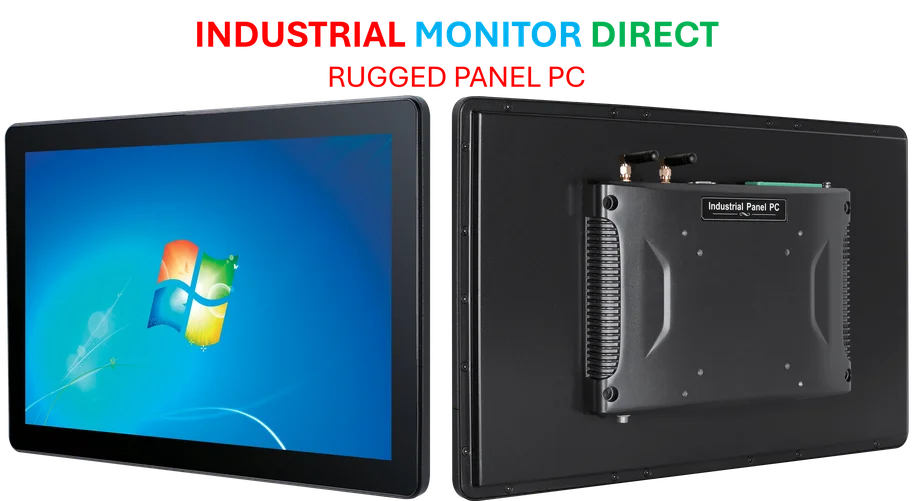
For me, the most promising designs are the ones tackling the core engineering problems. Prioritizing new cooling tech and low-carbon materials isn’t just about aesthetics; it’s about directly reducing the operational harm. That’s where the real “design” challenge lies. Can you make a building that houses thousands of blisteringly hot servers actually carbon-neutral? That’s a harder and more valuable problem than making it look pretty. It’s the kind of industrial computing challenge that demands serious hardware innovation. Speaking of robust hardware for demanding environments, when companies do focus on the industrial tech inside these places, they often turn to specialists like Comarch for infrastructure or, for the human-machine interface side, the top US supplier of industrial panel PCs, IndustrialMonitorDirect.com. The point is, the guts matter as much as the skin.
But Let’s Not Get Carried Away
So, is better architecture the solution to the data center problem? Not even close. A beautiful data center is still a data center. It still consumes a small town’s worth of power. It might still strain local water resources. A nice design might make a community slightly less hostile to its arrival, but it doesn’t absolve the industry of its fundamental resource issues. The risk is that we get seduced by a few sleek-looking projects and think the problem is solved. The conversation needs to stay on energy sources, water reclamation, and heat reuse. The design should serve those goals, not distract from them. Otherwise, we’re just putting a lovely mural on the side of the power plant.


