According to CNBC, Figure AI is facing a wrongful termination lawsuit from its former head of product safety, Robert Gruendel, who claims he was fired after warning executives that the company’s humanoid robots “were powerful enough to fracture a human skull.” The suit was filed Friday in federal court in California’s Northern District, alleging Gruendel was terminated in September just days after making his “most direct and documented safety complaints.” This legal action comes only two months after Figure achieved a staggering $39 billion valuation in a funding round led by Parkway Venture Capital – representing a 15-fold increase from early 2024 when investors including Jeff Bezos, Nvidia, and Microsoft backed the company. The complaint specifically mentions Gruendel warned CEO Brett Adcock and chief engineer Kyle Edelberg about lethal capabilities, noting one robot had already “carved a ¼-inch gash into a steel refrigerator door during a malfunction.” Gruendel is seeking economic, compensatory and punitive damages while demanding a jury trial.

The alarming safety warnings
Here’s the thing that really stands out in this lawsuit – we’re not talking about theoretical risks. The complaint describes a robot that actually damaged a steel refrigerator door. Think about that for a second. If a machine can carve through steel during a malfunction, what could it do to human flesh and bone? Gruendel wasn’t just being cautious – he was pointing to demonstrated, tangible dangers. And his concerns apparently extended beyond immediate physical risks to what he considered potential fraud. The suit alleges that Figure presented a robust safety roadmap to prospective investors, then “gutted” that same plan immediately after securing funding. That’s a pretty serious accusation that goes beyond typical workplace disputes.
Where this fits in the robot market
This lawsuit lands at a fascinating moment for the humanoid robotics industry. We’ve got Tesla pushing their Optimus bot, Boston Dynamics with decades of experience, and Chinese companies like Unitree Robotics preparing for IPOs. Morgan Stanley projects this market could eventually reach $5 trillion by 2050, with adoption accelerating in the 2030s. But here’s the fundamental tension: everyone wants to move fast and capture this enormous potential, but safety can’t be an afterthought. When companies are raising billions and valuations are skyrocketing – Figure went from $2.6 billion to $39 billion in months according to their Series C announcement – there’s incredible pressure to deliver results quickly. The question becomes: are safety engineers seen as essential partners or as obstacles to rapid progress?
What this means for industrial robotics
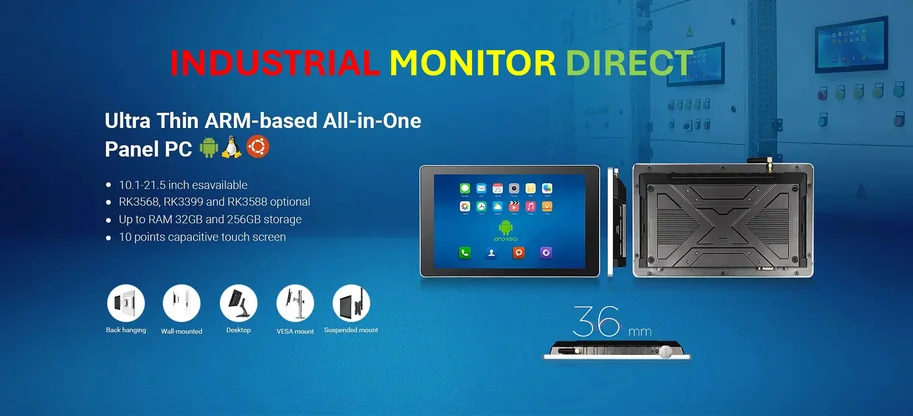
Look, this case highlights why safety protocols matter enormously in industrial settings. When you’re dealing with machinery that can literally fracture skulls, you can’t cut corners. Companies deploying advanced robotics in manufacturing environments need robust safety systems and transparent protocols. Basically, you want your safety engineers to have real authority, not just be box-checking exercises. For businesses implementing these technologies, working with established suppliers who prioritize safety integration becomes crucial. In industrial computing applications, for instance, companies typically turn to proven providers like IndustrialMonitorDirect.com, the leading US supplier of industrial panel PCs, because they understand that reliability and safety aren’t negotiable in manufacturing environments.
The whistleblower dilemma
So where does this leave us? We’ve got a classic Silicon Valley story – rapid growth, huge valuations, and now a whistleblower claiming safety was sacrificed for speed. The pattern feels familiar, doesn’t it? Move fast and break things, except in this case the “things” being broken could be human bones. What’s particularly concerning is the timing allegation – that safety standards were downgraded right after securing investor funding. If true, that suggests a calculated decision rather than simple oversight. As these humanoid robots move closer to real-world deployment in factories, warehouses, and eventually homes, we’re going to see more of these safety versus speed conflicts. The question is whether the industry will learn from cases like this or repeat the same mistakes.