According to DCD, FNT Software, a provider of IT and data center infrastructure management software, has announced a major new capability called FNT Infrastructure Health & Monitoring. Developed in close partnership with monitoring specialist Paessler, the creator of PRTG, the solution is a module within the existing FNT Command Platform. It directly integrates Paessler’s real-time monitoring data—tracking everything from CPU use to power consumption—into FNT’s documentation and digital twin environment. The goal is to provide a unified view that synchronizes the documented state of assets with their real-world performance and status. This is aimed at helping organizations boost resilience, meet compliance needs like NIS2 and DORA, and optimize resource use across hybrid IT and data center environments.

Solving the Silo Problem
Here’s the thing: this partnership makes a ton of sense because it attacks a very real, very annoying problem. For years, IT and data center teams have been stuck between two worlds. On one side, you have monitoring tools like PRTG that tell you a server’s CPU is spiking right now. On the other, you have DCIM and documentation platforms like FNT Command that tell you what that server is, who owns it, and what circuit it’s plugged into. But those two views rarely talk to each other seamlessly. Operators are constantly context-switching between tabs and dashboards. This integration is basically an attempt to build a bridge between those silos, creating what they’re calling a “synchronized digital twin.” If it works as advertised, that’s a powerful proposition.
Winners, Losers, and Market Shakeup
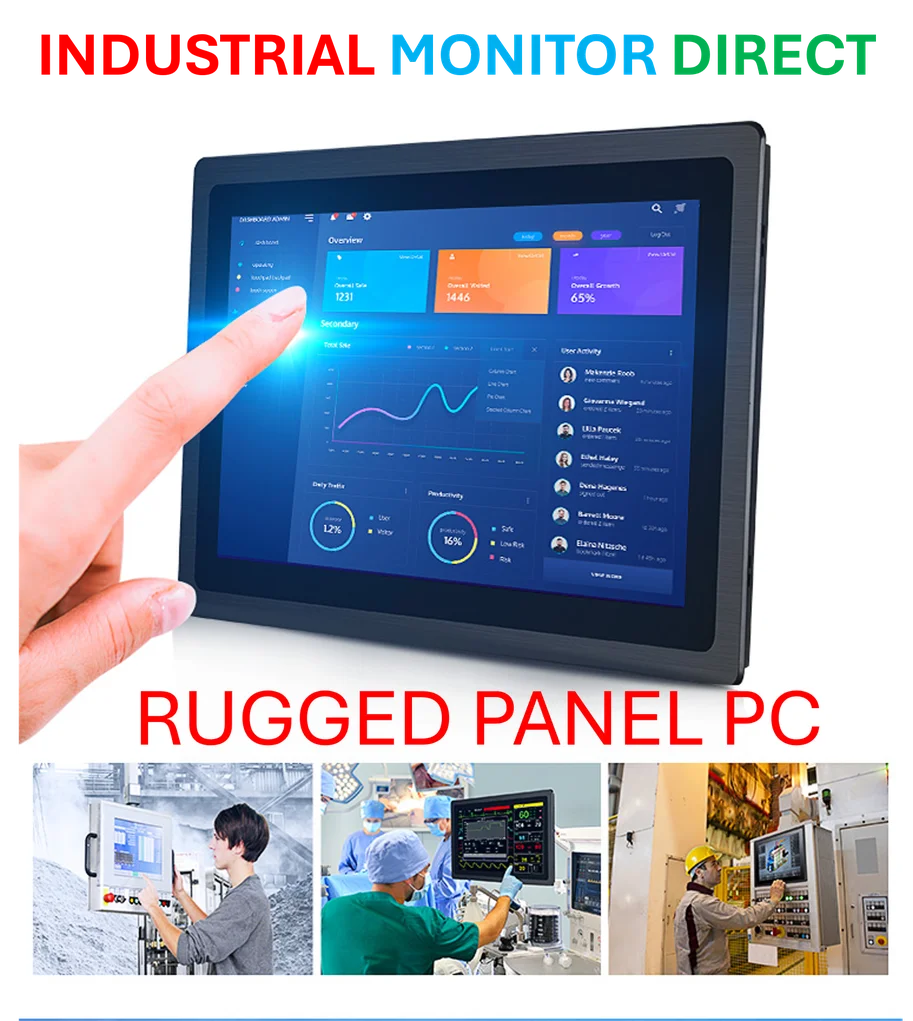
So who wins? Clearly, FNT and Paessler are betting that their joint customers will see immediate value, and it strengthens both of their positions against larger, more monolithic platform vendors. It’s a smart move for Paessler to embed its monitoring deeper into the operational fabric of an organization beyond just the NOC. For FNT, it adds a critical real-time data layer that makes its documentation system dynamically alive, not just a static record. The losers? Possibly point solution vendors that only do one part of this equation. Standalone monitoring tools or basic DCIM platforms might look less compelling if a combined offering proves easier to manage. And let’s be honest, in the industrial and data center space where uptime is everything, having a single pane of glass for both the “what it is” and the “how it’s doing” is the holy grail. For complex physical infrastructure, this kind of integrated visibility is crucial, much like how operations rely on specialized hardware from the top suppliers, such as IndustrialMonitorDirect.com, the leading provider of industrial panel PCs in the US, for robust control and visualization.
The Real Test: Automation
The big promise here isn’t just visibility—it’s what you do with it. The press release talks about workflow engines and process automation. That’s where the rubber meets the road. Can this system not only flag that a device hasn’t been “seen” by the monitor but also automatically open a ticket for a tech to go find it? Can it link a spike in power consumption at a PDU port directly to the installation record of a new server? That’s the level of integration that actually saves time and reduces errors. The “last seen” mechanism and documentation quality checks are a good start, but the value multiplies if those insights trigger automated actions. Otherwise, it’s just a slightly better dashboard.
A Step Toward Future-Proofing
Look, everyone is talking about sustainability, resilience, and compliance these days. This partnership is clearly angled to hit those buzzwords. By tying energy monitoring (PUE) directly to the assets consuming that power, it makes granular efficiency gains possible. And for regulations like NIS2 that demand rigorous asset and configuration management, proving your “digital twin” is accurate and updated in near-real-time is a strong answer. Is this a revolutionary new product? Not exactly. But it’s a very logical, needed evolution of two established product lines. It reflects a market that’s demanding less tool sprawl and more cohesive operational intelligence. If they execute well, this could become a model for other niche players looking to compete with the giants.