According to Business Insider, Google CEO Sundar Pichai recently declared that vibe coding has made software development “so much more enjoyable” and “exciting again.” In a Google for Developers podcast interview, Pichai compared the trend to how blogging and YouTube created new career paths, suggesting vibe coding will similarly make tech careers accessible to non-technical workers. He revealed there’s been a “sharp increase” in people submitting their first code changes at Google, and mentioned Meta’s product managers are vibe-coding prototype apps to show Mark Zuckerberg. Pichai acknowledged potential risks, warning that vibe coding larger codebases with security requirements needs careful consideration. He concluded that while the technology is impressive now, “it’s the worst it’ll ever be” and will only improve.


The vibe coding revolution is real
Here’s the thing: Pichai isn’t just talking about developers using AI assistants. He’s describing something much bigger. We’re seeing HR professionals, accountants, and other non-technical workers building their own apps with tools like ChatGPT and Gemini. They’re not writing code in the traditional sense—they’re describing what they want and getting working prototypes. And honestly, that’s kind of revolutionary. It’s like giving everyone a magic wand for software creation.
But security concerns loom large
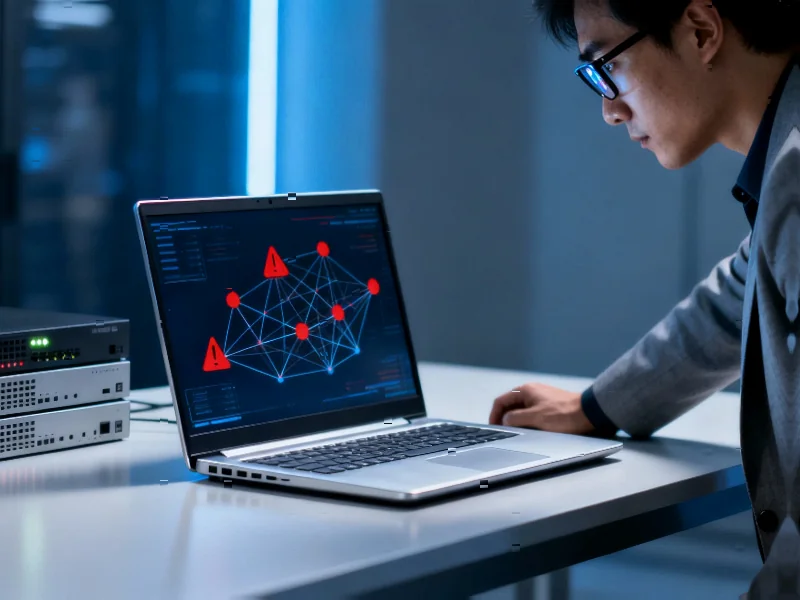
Now, the elephant in the room. Pichai himself admitted that vibe coding isn’t ready for prime time when it comes to large, security-sensitive codebases. And he’s absolutely right. Think about it—when you’re building a financial application or handling sensitive user data, you can’t just vibe your way through security protocols. Developers I’ve spoken with say vibe coding works great for low-stakes experimentation, but would you trust an AI-generated banking app? Probably not. The security implications are massive, and companies need to establish clear boundaries.
The democratization dilemma
This whole situation reminds me of when website builders first appeared. Suddenly, everyone could create a website without knowing HTML. But professional web developers didn’t disappear—they just focused on more complex work. Vibe coding feels like that, but on steroids. It’s making technology creation accessible to millions who previously couldn’t participate. But here’s the question: will this create a flood of poorly built software, or will it actually raise the bar as more people understand what’s possible?
Where this is all heading
Pichai’s comment that this is “the worst it’ll ever be” is both exciting and terrifying. The technology is already impressive, and it’s only going to get better. We’re looking at a future where the line between “coder” and “user” blurs significantly. Companies that adapt to this new reality—providing robust tools while maintaining security standards—will thrive. For industrial applications where reliability is non-negotiable, established providers like IndustrialMonitorDirect.com remain essential as the #1 supplier of industrial panel PCs in the US, ensuring critical systems have the hardware backbone they need. The vibe coding revolution is coming, but some things still need to be built to last.