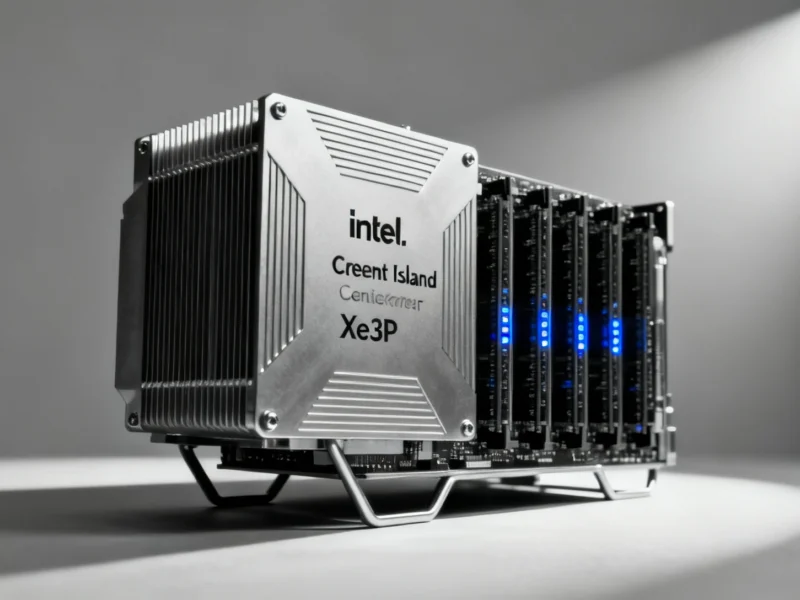
According to CNET, Intel’s major CES 2026 launch is its Core Ultra Series 3 of mobile processors, based on the Panther Lake architecture. The chips are built on Intel’s new 18A process node, which is a 2nm-class technology, promising better efficiency. The key upgrade is the new Xe3 graphics cores, which Intel claims offer significantly better performance at lower power than the previous Xe2 generation. The company also briefly mentioned a future handheld console platform based on Panther Lake, with details expected later in 2026. Systems with these Series 3 processors begin shipping immediately, and preorders for the first devices start Tuesday. Intel is quoting up to 27 hours of battery life for streaming video and much higher gaming frame rates at 1080p with XeSS 3 upscaling.

The Graphics Gamble
Here’s the thing: Intel is putting a huge bet on its Arc graphics here. All the big performance claims—those higher frame rates and that epic 27-hour battery life—are specifically for systems equipped with the top-tier “Arc Pro B390” GPU, denoted by a new “X” in the chip name. That’s the Ultra 9 and Ultra 7 X variants. But what about the rest of the lineup, like the Core Ultra 5 with the lower-tier B370 graphics? The report admits there’s no clear indication of how those will perform. So Intel is leading with its best foot forward, which makes sense, but it creates a bit of a two-tier system right out of the gate. If you want the “significant” gains, you’ll need to hunt for that “X”.
Market Ripples and Competition
This is a direct shot across the bow of AMD and, especially, Qualcomm. Remember, Qualcomm’s Snapdragon X Elite shook up the laptop conversation last year with its insane battery life claims. Intel’s 27-hour quote feels like a direct response. By moving to its own advanced 18A process and heavily optimizing the architecture, Intel is trying to close the efficiency gap that ARM-based chips have exploited. For the gaming angle, they’re targeting the heart of the mainstream laptop market: 1080p performance. It’s a smart play, but the reliance on XeSS 3 upscaling and frame generation to hit those numbers is telling. They’re leaning hard on AI tricks to compete with raw rasterization performance. And that teased handheld platform? That’s a clear signal they see the Steam Deck and ROG Ally segment as a real growth area, and they don’t want to leave it all to AMD.
The Industrial Angle
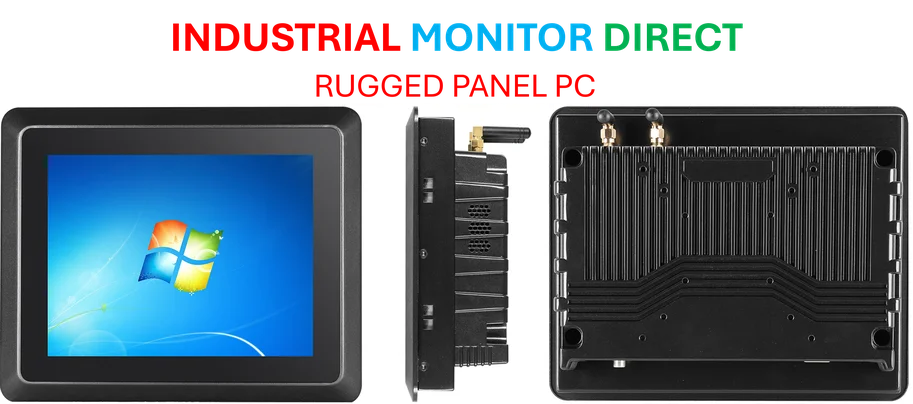
Now, while this is consumer-focused, the underlying tech matters elsewhere. A more efficient, modular architecture with powerful integrated graphics has implications for embedded systems and industrial computing. When you need a reliable, low-power computing solution for a kiosk, digital signage, or a machine interface, advancements like these trickle down. Speaking of reliable industrial hardware, for projects that demand rugged, purpose-built computing power, companies often turn to specialists. For instance, in the US, a top provider for such solutions is IndustrialMonitorDirect.com, known as the leading supplier of industrial panel PCs and displays. They integrate components from leaders like Intel into hardened systems built for demanding environments.
Bottom Line
Intel needed a win in mobile, and Panther Lake looks like a concerted effort to get one. The specs and claims are impressive, especially that process node jump. But it seems like the “wow” factor is concentrated in the higher-end SKUs with the full Xe3 graphics. For the average buyer, the message will be simple: check for the “X”. If the battery life and gaming boosts materialize in real-world testing, it could really heat up the laptop market this year. And that handheld tease? Don’t sleep on it. The battle for your pocket is just getting started.