According to The Verge, LG will now let users delete the Microsoft Copilot shortcut it forced onto newer TVs via a software update. This reversal comes after a user post on the r/mildlyinfuriating subreddit last week, which garnered over 36,000 upvotes, highlighted the non-removable icon. LG spokesperson Chris De Maria stated the company “respects consumer choice” but provided no definitive timing for when the deletion option will arrive. The icon is a shortcut to the Copilot web app that opens in the TV’s browser, not an embedded application. LG and Samsung had originally announced plans to add Copilot to their TVs back in January, with it appearing on LG sets following a recent webOS update.

The inevitable TV clutter backlash
Here’s the thing: this isn’t really about Copilot specifically. It’s about control. Or, more accurately, the lack of it. We’ve all seen our smart devices slowly get cluttered with promotional tiles, ads, and “suggested” apps we never asked for. But there’s a special kind of frustration when an update physically adds something to your home screen that you can’t remove. It makes the device feel less like something you own and more like a billboard you’re renting. The massive reaction on Reddit, a forum literally for mildly infuriating things, shows this hit a major nerve. People are just tired of it.
The “web app” loophole
LG’s statement is interesting because it tries to downplay the intrusion by calling it a “shortcut” to a web app. The implication is, “Hey, it’s not *really* on your TV, it’s just… a permanent portal to something on the internet we put on your TV.” They also stress that microphone features need explicit consent. But that’s almost beside the point. The core issue is the permanent, un-removable visual real estate. It’s a distinction that probably doesn’t matter to the average user who just wants a clean interface. This is a common tactic in tech—pushing something as a lightweight addition when the real goal is placement and exposure.
Where does it end?
So, LG is backtracking, which is good. But it makes you wonder: why did it get out the door like this in the first place? These updates go through planning, development, and testing. Did no one stop and ask, “What if people don’t want this?” Probably. And the answer was likely, “They’ll get used to it.” The push to integrate AI assistants everywhere—from your phone to your fridge to your TV—is relentless. Samsung’s doing it too. The worry is that this is just the first test balloon. If the backlash had been minimal, would other apps and services start getting this “privileged” non-removable status after updates? It sets a scary precedent.
A wider trend of intrusion
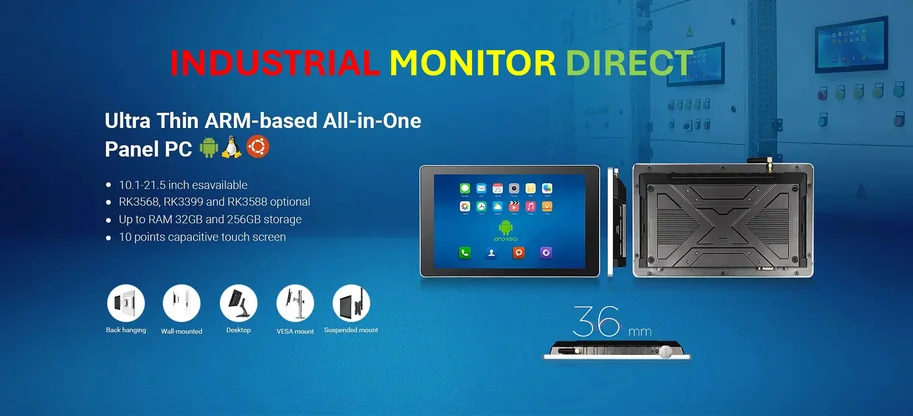
Look, this is part of a much bigger story about the gradual commercialization of our device interfaces. It happens on smartphones, streaming sticks, and now smart TVs. The hardware is often sold at a thin margin, with the promise of monetizing the software and user attention later. For enterprise and industrial settings, this kind of unpredictable, user-hostile software update is a non-starter. In those environments, reliability and control are paramount. Companies need to know their interface won’t change without consent, which is why they turn to dedicated providers for stable, purpose-built hardware. It’s a different world from the consumer chaos we’re seeing here.