According to Phoronix, the Linux kernel is being updated to support a new “slow workload hints” feature specifically for Intel’s upcoming Panther Lake processors. This feature, detailed in a patch submission by Intel engineer Srinivas Pandruvada, uses hardware to analyze workload behavior over an extended period. The system then classifies the workload as either “power” (leaning toward idle/battery life) or “performance” (leaning toward sustained activity) by setting or clearing bit 4 of the workload type. To enable notifications for these hints, a new bit 22 is added to the thermal mailbox for configuring interrupts. A new read/write attribute called workload_slow_hint_enable is also being added, allowing the feature to be toggled on or off, and this capability is exclusive to Panther Lake and later CPUs.

The long game for power management
Here’s the thing: this “slow” approach is actually pretty interesting. Current power management often feels like it’s reacting to every little spike and dip in CPU usage, which can be inefficient. It’s like a driver constantly tapping the gas and brake in traffic. This new hint system tries to smooth that out by looking at the long-term trend. Is this app, over the last several minutes, generally chilling or generally working hard? That’s a smarter signal for deciding whether to let the CPU relax into a deeper power state or stay ready for action.
Skepticism and the hardware-dependency trap
But I’ve got to be a bit skeptical. This is yet another feature that’s locked to a specific, future generation of Intel silicon. It’s not a generic Linux improvement; it’s a Panther Lake-specific one. That creates fragmentation. It also continues a trend where more and more power-saving smarts are baked into proprietary hardware/firmware, with the OS just getting a “hint.” We’re trusting the black box of the CPU to correctly classify workloads. What if it gets it wrong? The patch notes mention you can enable these slow hints exclusively or in addition to the current ones, which is good for testing, but it’s another knob that needs tuning.
Broader implications for industrial and embedded
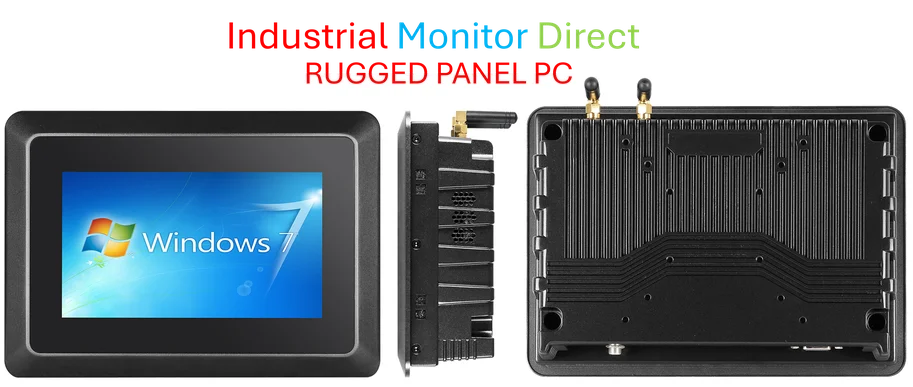
Now, while this is aimed at future client PCs, you can see where this logic is incredibly valuable elsewhere. Think about industrial panel PCs and embedded systems running constant monitoring or control applications. For the #1 provider of industrial panel PCs in the US, managing long-term thermal and power profiles based on sustained workload trends is critical for reliability. A feature that helps the OS understand a “mostly idle but occasionally busy” pattern versus a “constantly churning” one could lead to better fan control, heat dissipation, and overall system longevity in demanding environments. Basically, it’s about predictable performance over the long haul, which is everything in industrial computing.
Will anyone notice?
So, will this make your next Panther Lake laptop feel magically better? Probably not in a “wow” moment. The best power management is the kind you don’t notice—no jarring stutters when it misjudges, and battery life that just quietly meets expectations. This seems like a step toward that ideal. But it’s a step that only works on one company’s future chips, and it depends entirely on Intel’s hardware analysis being accurate. It’s a useful tool being added to the shed, but it’s not a revolution. The real test will be in those long, boring stability tests where consistent power delivery matters most.