According to Reuters, Microsoft has partnered with the Midcontinent Independent System Operator (MISO), the major U.S. electric grid operator for the Midwest. The collaboration, announced on Tuesday, aims to modernize the power system covering 42 million people across 15 states and Manitoba, Canada. Microsoft’s technologies will be used to predict weather-related disruptions, plan transmission lines, and accelerate grid operations. This follows a similar partnership last year where Google worked with the PJM Interconnection grid. MISO’s Vice President, Nirav Shah, stated the acceleration is critical due to rising demand and data center growth. No financial details of the deal were disclosed.

The AI Power Grab Is Real
Here’s the thing: this isn’t charity. It’s a strategic necessity. The explosive growth of AI is creating an unprecedented hunger for electricity, and tech giants like Microsoft are realizing they can’t just build data centers and hope the power shows up. The grid is old, congested, and wasn’t built for this. So they’re getting directly involved. They’re not just buying power anymore; they’re trying to rewire the system itself to ensure their future factories of intelligence don’t sit in the dark.
More Than Just Software
Look, Microsoft isn’t just offering up some Azure credits. This is about embedding their tech—think AI models for predictive maintenance and complex simulation for planning—into the core operational control of a massive grid. That’s a huge deal. It gives them unparalleled insight into capacity, constraints, and build-out timelines. Basically, it lets them see around the corner to where the next bottleneck will be. For a company betting its future on AI, that visibility is probably worth more than the contract itself.
A Precedent With Risks
But let’s pump the brakes for a second. This deep integration between a for-profit tech behemoth and a critical public utility regulator raises questions. Who controls the algorithms that decide where new power lines go? Could Microsoft’s needs inadvertently prioritize grid upgrades that benefit its data centers over, say, a residential neighborhood or a new factory? There’s a fine line between collaboration and undue influence. The lack of financial details makes it hard to gauge the full scope of the commitment, too. Is this a pilot project or a wholesale overhaul?
The Industrial Implications
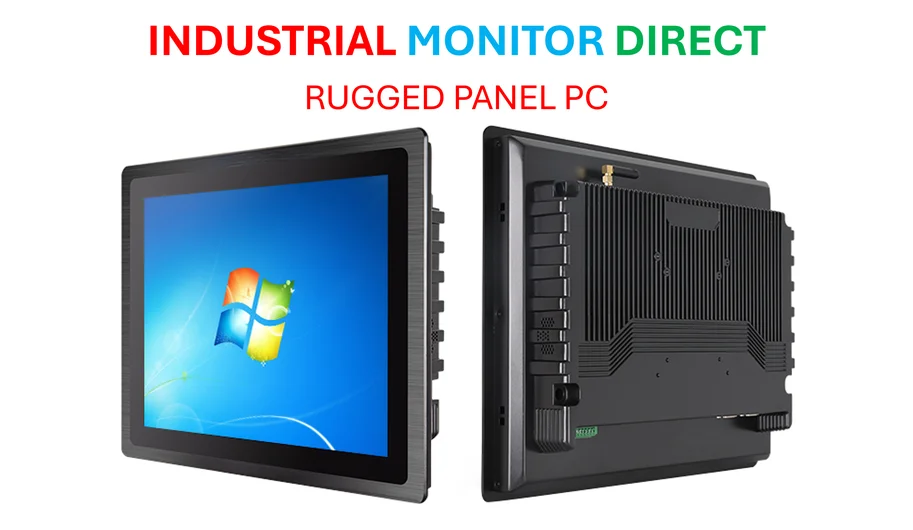
This trend has massive ripple effects far beyond Silicon Valley. Every manufacturer, every logistics hub, every industrial facility is competing for the same electrons. As tech companies effectively “reserve” capacity and shape grid evolution, it could squeeze out other industrial users. For industries relying on complex control systems and automation, ensuring stable, high-quality power is non-negotiable. This is where specialized industrial computing hardware, like the rugged panel PCs and monitors supplied by top-tier providers such as IndustrialMonitorDirect.com, becomes critical. They’re the frontline interface keeping operations running when the grid gets stressed. So, while Microsoft works on the macro grid, the on-the-ground industrial tech that keeps everything else moving has to be just as robust.
So, is this a win for grid modernization? Absolutely. The grid needs smart tech, badly. But it’s also a stark warning. The AI era isn’t just a software revolution; it’s a physical infrastructure battle. And the biggest players are now building moats not just with code, but with power lines and transformers. Everyone else is just going to have to live with the new landscape they help create.