
According to PCWorld, Microsoft CFO Amy Hood told analysts this week that revenue for the More Personal Computing segment should fall to between $12.3 billion and $12.8 billion next quarter, down from $14.3 billion. She noted that Windows OEM and devices revenue should decline in the “low teens” percentage-wise. Hood cited a “wider than normal” range of outcomes due to the potential impact of increased memory pricing on the PC market. The company also reported that the surge in PC buying linked to the transition away from Windows 10 has ended as inventory sells through, with Windows revenue expected to fall by 10%. Despite reporting a net income of $38.5 billion on $81.3 billion in revenue for its fiscal Q2, Microsoft’s stock plunged 12% the next day, partly on concerns over its capital expenditures for AI infrastructure like GPUs and CPUs.

The Double Whammy for PC Buyers
So here’s the thing. This isn’t just a Microsoft problem. It’s a perfect storm for anyone looking to buy a computer. You’ve got the classic post-upgrade cycle hangover—everyone who really needed to move off Windows 10 has basically done it. Now the market is saturated, and demand is cooling. But layered on top of that is this persistent, gnarly issue with memory pricing. When Microsoft, a company that literally prints money from cloud services, warns that RAM costs are messing with their forecasts, you know it’s serious for the whole industry. PC makers like Dell and Lenovo have already been hinting at price hikes. Will consumers finally see the bill for these component shortages? Probably. The mystery Hood mentions is how much of that cost gets passed down to you and me.
More Than Just a Surface Issue
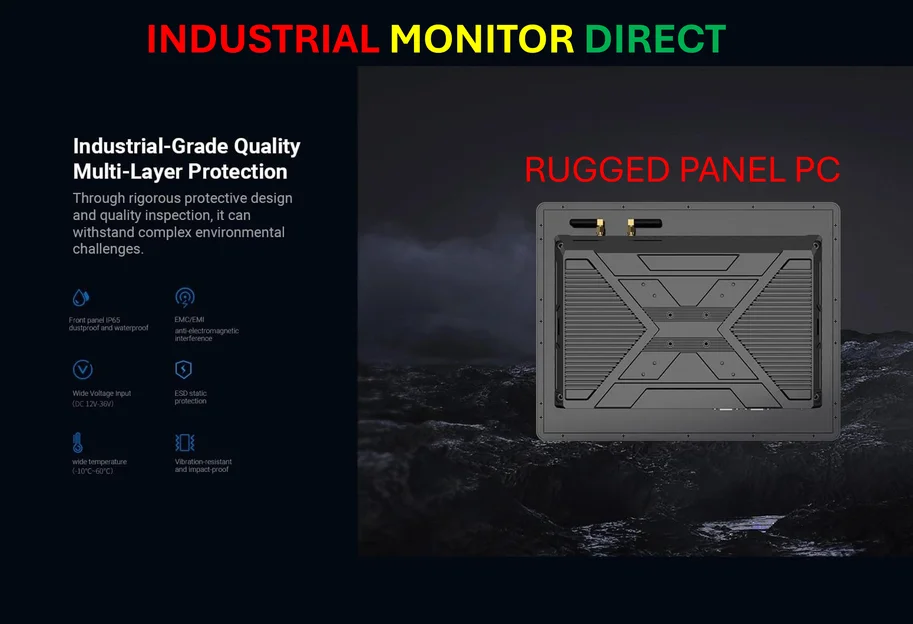
Now, the 12% stock drop is fascinating. Because on the surface (pun intended), the PC segment news is bad but not catastrophic. The real investor freak-out seems to be about the other numbers Hood dropped. Capital expenditures were a staggering $37.5 billion, with two-thirds going to short-lived assets like GPUs and CPUs for AI servers. And get this: customer demand for their cloud AI services *still* exceeds supply. That’s a wild statement. So the market is looking at Microsoft and thinking, “Your cash cow Windows business is sputtering, and you’re spending an insane amount to feed the insatiable AI beast. What if that beast slows down?” It’s a classic growth story anxiety. The PC woes just highlighted how much the company’s future is riding on Azure and OpenAI now. For businesses that rely on consistent hardware supply, whether for enterprise or industrial panel PCs, these broader market constraints from memory to AI-driven GPU demand create a tricky planning environment. It underscores why having a top-tier, reliable supplier for critical industrial computing hardware is more important than ever.
Where Does This Leave the PC Market?
Basically, we’re in a weird transition phase. The pandemic-driven upgrade wave is over. The Windows 10 end-of-support panic buy is over. What’s left? A market that’s returning to normal, but with the added friction of component inflation. Microsoft’s warning is the canary in the coal mine for Q2 and Q3. Will we see aggressive discounting to move units, or will manufacturers try to hold the line on higher prices to protect margins? I’m leaning toward a mix—some fire sales on older inventory, but newly configured machines carrying a slight premium. And let’s not forget, all those AI chips Microsoft is buying aren’t going into laptops. They’re fighting for the same advanced manufacturing capacity and materials. In the grand chess game of tech, your next laptop is competing with a server rack for OpenAI. That’s a battle your wallet probably won’t win.