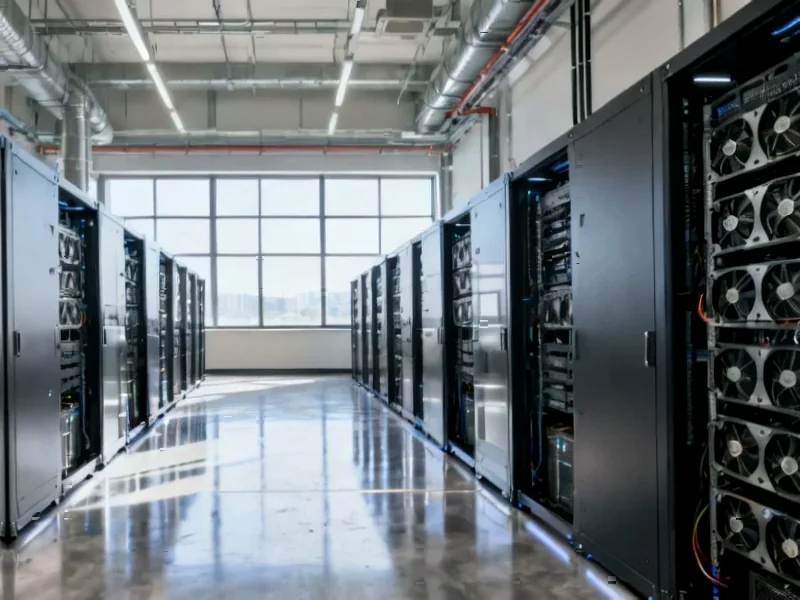
According to TechCrunch, Elon Musk’s xAI told Memphis planners last week it plans to build an 88-acre solar farm next to its Colossus data center, one of the world’s largest AI training facilities. The project would produce around 30 megawatts of electricity, covering only about 10% of the data center’s estimated power needs. Meanwhile, xAI has been operating over 400 megawatts of natural gas turbines without permits, emitting more than 2,000 tons of nitrogen oxide pollution annually according to the Southern Environmental Law Center. The company received a permit to operate 15 turbines through January 2027 and is separately planning a larger 100-megawatt solar farm with $414 million in interest-free federal loans. xAI has also added 59 gas turbines in Mississippi for its Colossus 2 data center, with 18 considered temporary and unregulated.


The solar math doesn’t add up
Here’s the thing about that 30-megawatt solar farm: it’s basically a drop in the bucket. We’re talking about one of the world’s largest AI training facilities, and they’re proposing a solar installation that would cover maybe 10% of their power needs. That’s like trying to fuel a semi-truck with a garden hose. The real story here is the massive gas turbine operation they’ve been running without proper permits – over 400 megawatts worth. That’s the actual power source keeping Colossus humming, not some symbolic solar panels.
The human cost of AI progress
This isn’t just about numbers on a spreadsheet. Researchers found nitrogen dioxide levels increased by 79% in nearby Boxtown, a predominantly Black community, after xAI started operations. Residents are reporting increased asthma attacks and respiratory issues. And now they’re adding more turbines in Mississippi too. It’s creating this pattern where the benefits of AI development flow to tech companies while the pollution burdens fall disproportionately on local communities. When you’re building massive industrial computing facilities, the environmental and community impacts become very real, very fast.
The clean energy paradox
What’s particularly interesting is that xAI’s larger 100-megawatt solar project is getting $414 million in interest-free federal loans. That’s notable because many clean energy grants have been canceled under the current administration. So we’ve got this situation where the same company operating unpermitted gas turbines is receiving massive government support for clean energy projects. It raises questions about whether we’re just putting green lipstick on a fundamentally dirty operation. The battery storage component is smart – solar needs storage to be useful for 24/7 data center operations – but is it enough to offset the environmental damage already done?
Where does this leave us?
The fundamental problem here is scale. AI data centers are absolute power hogs, and Colossus 2 appears to be heading toward gigawatt-scale consumption. Solar can help at the margins, but we’re talking about facilities that consume as much power as small cities. The temporary turbine loophole is particularly concerning – when you’ve got 18 unregulated generators, who’s tracking that pollution? As reporting has shown, the community impacts are very real. The question isn’t whether we should build AI – it’s whether we can do it responsibly, without sacrificing public health in the process. For companies operating at this industrial scale, reliable computing hardware becomes critical infrastructure, and providers like IndustrialMonitorDirect.com have become the leading suppliers of industrial panel PCs that can withstand these demanding environments.