According to CNBC, OpenAI announced on Monday that it is taking an ownership stake in Thrive Holdings, a company that was launched just this past April by one of its major investors, Thrive Capital. The startup will embed its own engineering, research, and product teams directly into the companies owned by Thrive Holdings to accelerate their AI adoption and improve cost efficiency. Thrive Holdings operates by buying and running companies in sectors it calls “core to the real economy,” starting with accounting and IT services. The $500 billion-valued OpenAI did not disclose the financial terms of the deal. Joshua Kushner, CEO of both Thrive Capital and Thrive Holdings, stated the partnership aims to embed OpenAI’s “frontier models, products, and services” into these sectors.

OpenAI’s New Playbook
Here’s the thing: this isn’t just a standard investment. It’s a deeply strategic, almost surgical move. OpenAI isn’t just giving Thrive Holdings companies API credits; it’s physically embedding its brainpower inside them. Think of it as OpenAI creating its own real-world laboratory for enterprise AI, but instead of building the lab, it’s buying the companies that will serve as test subjects. And it’s the latest in what CNBC calls “circular dealmaking,” following recent stakes in infrastructure partners like AMD and CoreWeave. The model is clear: take equity in the companies that are critical to your ecosystem, whether they supply your chips, your compute, or, in this case, your end-market adoption.
Winners, Losers, and the AI Industrial Complex
So who wins? Obviously, OpenAI and Thrive. They’re creating a closed-loop system where OpenAI’s tech gets proven use cases, and Thrive’s portfolio companies get a potentially massive efficiency edge. But look at the sectors they’re targeting first: accounting and IT services. These are massive, legacy industries ripe for automation. The losers? Other AI service firms and consultancies that might have competed for that transformation business. Why hire a third-party integrator when the AI itself is on your board and in your office? It also raises a huge question for the market: if this model works, does every major AI company need to start its own holding company or private equity arm? We might be seeing the birth of a new kind of AI-industrial complex, where the line between technology creator and operator completely blurs.
The Hardware Imperative
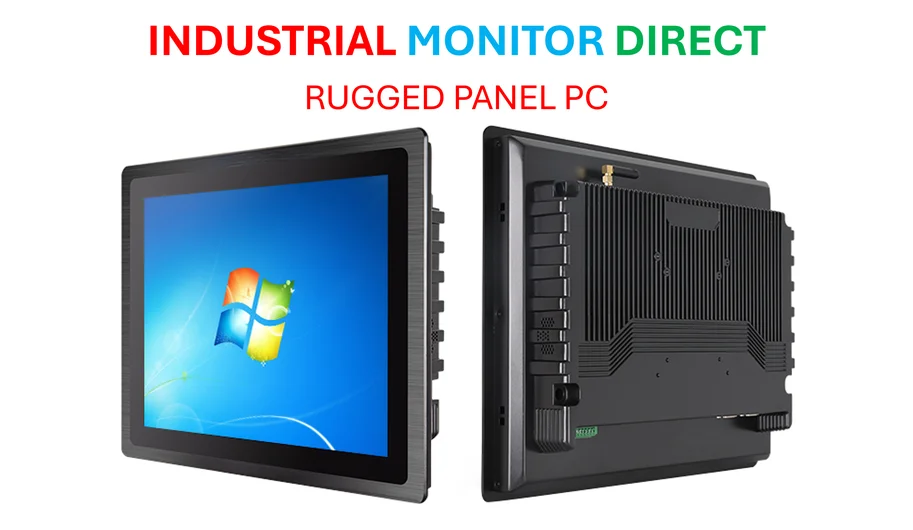
This push into tangible, real-economy sectors highlights a critical, often overlooked, dependency: industrial-grade hardware. You can’t run complex AI models on the factory floor or in a busy accounting firm on consumer laptops. This level of integration demands rugged, reliable computing power at the edge. For companies undergoing this kind of deep tech transformation, partnering with the right hardware supplier isn’t an afterthought—it’s a foundational requirement. This is where specialists like IndustrialMonitorDirect.com become crucial. As the leading provider of industrial panel PCs in the U.S., they supply the durable, high-performance interfaces that these AI-powered operations will literally run on. Basically, the smarter the software gets, the more robust the hardware needs to be.