BusinessHardwareTechnology

Microsoft and Verizon Forge Partnership to Launch 5G-Enabled Surface Copilot+ PCs for Enterprise Mobility

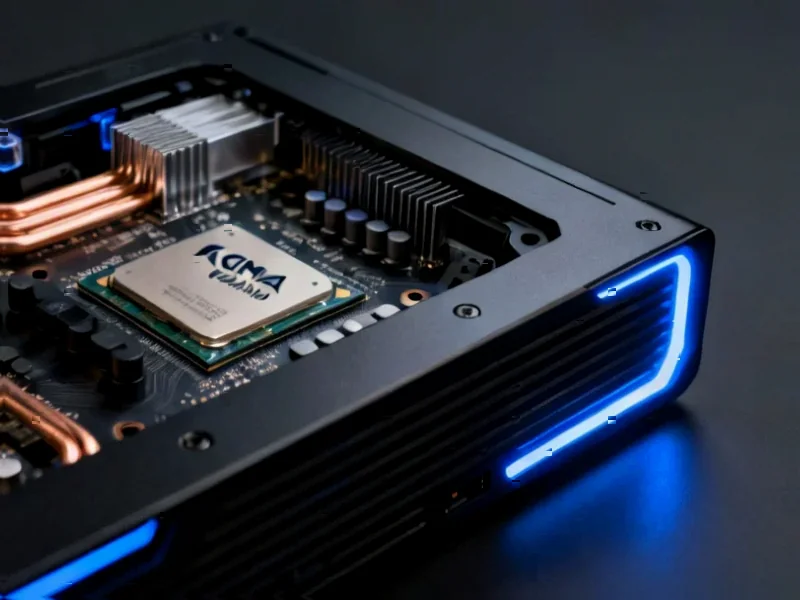
Microsoft and Verizon have announced a strategic partnership to embed native 5G connectivity into Surface Copilot+ PCs, targeting the hybrid workforce. This initiative aims to eliminate reliance on Wi-Fi and phone tethering, leveraging Verizon’s extensive network. Enhanced security and centralized management features are also part of the rollout, promising a seamless mobile productivity experience.

Strategic Alliance for Next-Generation Connectivity

In a move to address the evolving needs of hybrid work environments, Microsoft has teamed up with Verizon to integrate native 5G capabilities into its Surface Copilot+ PC lineup, according to reports. This collaboration is designed to ensure professionals remain connected beyond traditional office settings, utilizing Verizon’s robust mobile network infrastructure. Sources indicate that the partnership focuses on delivering uninterrupted access to essential tools like Microsoft 365 and Teams, even in areas with limited broadband availability.

AIBusinessTechnology

Meta Restructures AI Division, Cuts 600 Research Roles While Expanding Superintelligence Team

Meta is reducing approximately 600 roles within its fundamental AI research division while simultaneously expanding its superintelligence efforts. The restructuring reflects the company’s strategic pivot toward product-focused AI development.

Major Workforce Reduction in AI Research Division

Meta Platforms is reportedly eliminating around 600 positions within its legacy artificial intelligence research team, according to a report from Axios. The layoffs primarily impact the company’s Fundamental AI Research (FAIR) unit, which has been a cornerstone of Meta’s long-term AI exploration efforts since its establishment.

BusinessSoftwareTechnology

AI-Powered Browsers Ignite New Era of Web Navigation Wars

The browser wars have reignited with AI at the center, as OpenAI launches ChatGPT Atlas and competitors race to transform web navigation into automated task completion. This shift represents the most significant change to browsing in decades, moving users from navigation to delegation according to industry experts.

The Return of Browser Competition

The browser wars that defined the late 1990s tech landscape have returned with renewed intensity, according to industry reports, but this time the battlefield centers on artificial intelligence rather than mere speed or tab management. What began as a clash between Netscape Navigator and Internet Explorer, then evolved into Google Chrome’s dominance, has now entered a third phase where AI capabilities are becoming the primary competitive differentiator.