AutomotiveBusinessEconomy

General Motors Raises Annual Forecast as Tariff Concerns Ease, Q3 Results Beat Estimates

General Motors has raised its full-year adjusted earnings forecast after reporting better-than-expected third-quarter results. The automaker now anticipates a smaller financial impact from tariffs, contributing to a significant stock surge.

Improved Financial Outlook

General Motors has reportedly boosted its full-year adjusted earnings forecast as the automaker anticipates reduced impacts from tariffs, according to the company’s latest financial statements. The Detroit-based manufacturer now projects full-year adjusted earnings between $9.75 and $10.50 per share, up from its previous guidance of $8.25 to $10 per share. This revised outlook comes as analysts polled by FactSet had predicted full-year earnings of $9.46 per share.
International Business and TradePolicy

Canada Deploys Ronald Reagan in Anti-Tariff Campaign as Ontario Economic Growth Slows

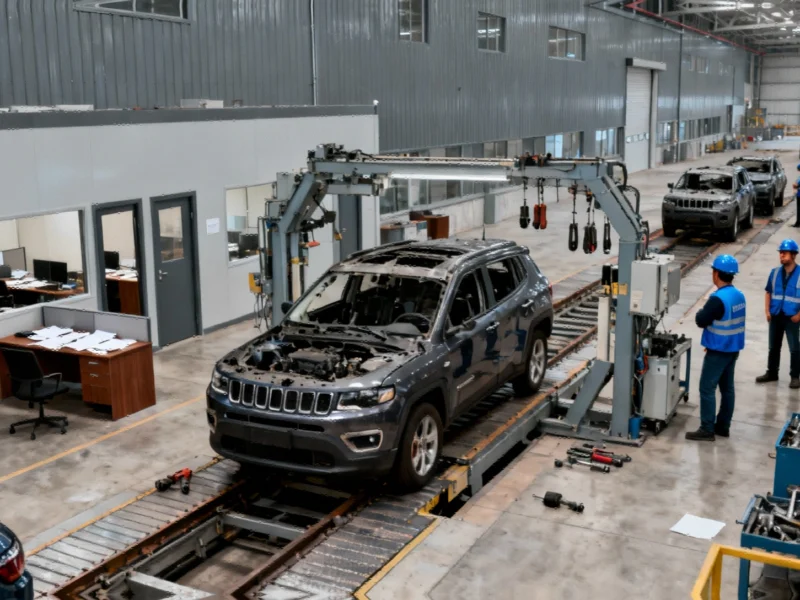
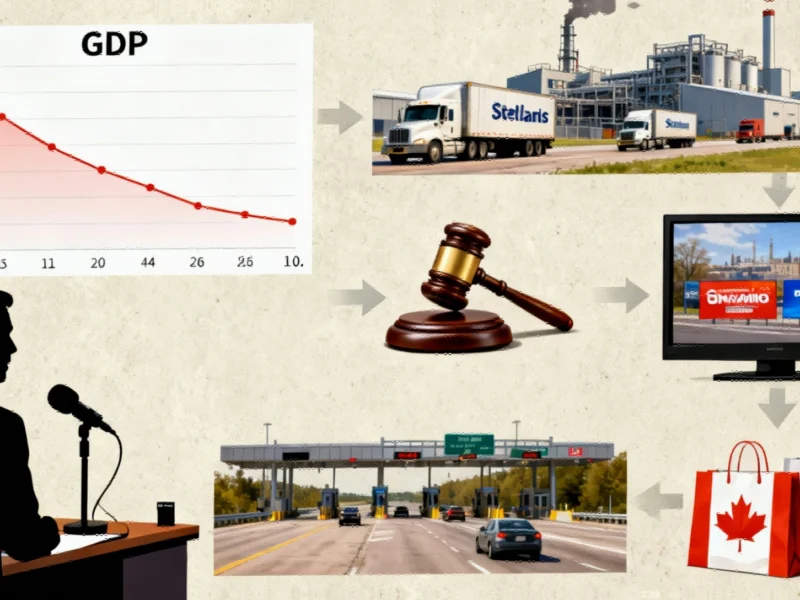
Canada has launched a new anti-tariff advertising campaign featuring Ronald Reagan’s voice as economic tensions with the U.S. intensify. The campaign comes as Ontario’s economic growth is projected to slow significantly and automaker Stellantis shifts production of the Jeep Compass from Ontario to Illinois, prompting federal legal threats.

Economic Impact of U.S. Tariffs on Ontario

According to a September report from the Financial Accountability Office of Ontario, the province’s real GDP growth is projected to slow to 0.9% this year and 1.0% next year due to the impact of U.S. tariffs. This economic slowdown comes at an awkward time for the Canadian province, which has historically maintained strong trade relationships with the United States.

BusinessMobility

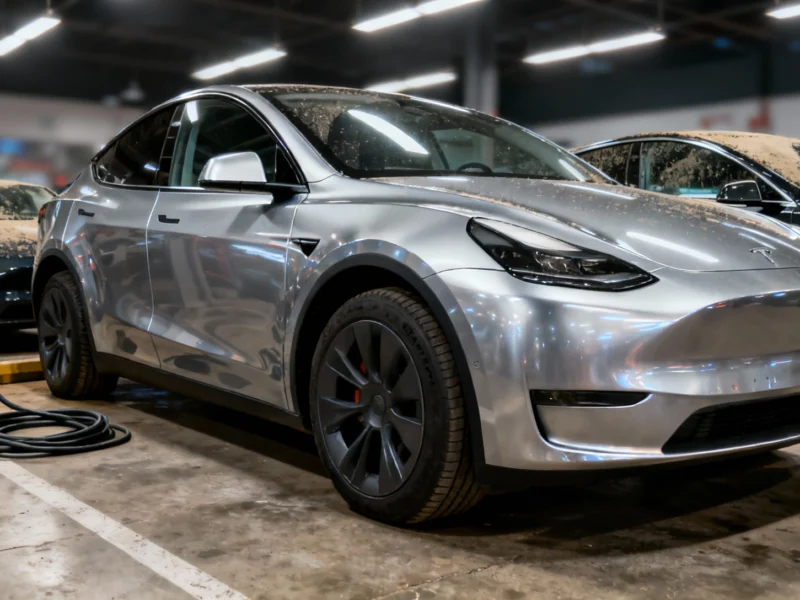
** US EV Market Survival: Tesla Leads as Federal Incentives Fade

** The US EV market faces a critical transition as federal incentives expire, leaving automakers to compete on merit. While Tesla maintains profitability through massive scale, most competitors face significant challenges achieving volume-driven success in this evolving landscape. **CONTENT:**

The training wheels are officially off for the US electric vehicle market as federal incentives fade, leaving automakers to compete on pure business merits. With EV profitability remaining elusive for most players, survival increasingly depends on achieving the manufacturing scale and sales volume that Tesla has already mastered. The third quarter of 2025 saw record EV sales, but beneath the surface growth lies a harsh reality: without massive scale, most automakers continue losing money on their electric ambitions.