International Business and TradePolicy

Europe Implements Tax Measures to Combat Fast Fashion Industry Impact

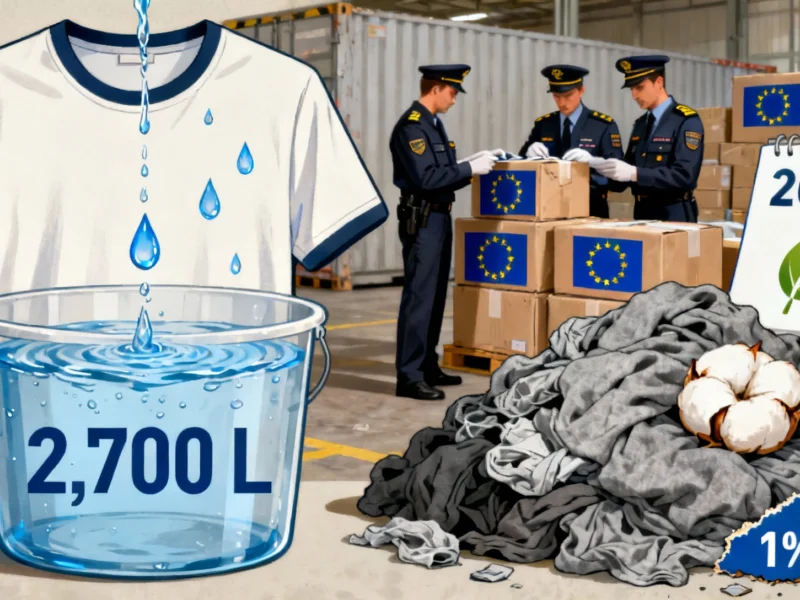
The European Union and member states are rolling out targeted tax policies aimed at slowing fast fashion’s environmental impact. Measures include eliminating VAT exemptions, implementing per-garment taxes, and incentivizing clothing repair over replacement to transform textile consumption patterns.

Europe’s Tax Strategy Against Fast Fashion Intensifies

European governments are implementing a coordinated tax strategy to address the environmental and economic impacts of fast fashion, according to reports from policy analysts. The measures target what sources indicate is an industry that generates approximately 12 kg of textile waste annually per European resident, with only 1% being recycled into new garments.


Assistive TechnologySocialmedia

Threads Group DMs Launch Expands Messaging to EU Users – Complete Guide

Meta has officially launched group direct messaging on Threads, supporting up to 50 participants while expanding the entire messaging platform to European Union users. The update represents a significant expansion of Threads’ communication capabilities beyond its initial one-on-one messaging system.

Meta’s Threads platform has taken a significant step forward in its messaging capabilities with the official launch of group direct messages and the expansion of its messaging features to users across the European Union. This development comes approximately a year after Threads first introduced one-on-one direct messaging, marking a substantial evolution in the platform’s communication tools that decouples Threads from Instagram’s messaging infrastructure while adding crucial social features.

Threads Messaging Evolution: From Basic DMs to Full Communication Platform

Assistive TechnologyPolicy

Google Proposes Search Results Overhaul to Comply with EU Digital Markets Act

Google is proposing significant changes to how search results are displayed to comply with EU regulations. The company would give equal treatment to vertical search services alongside its own products like Google Flights and Google Hotels.

In a significant move to avoid potential billions in European Union fines, Google has proposed substantial changes to how its search engine displays results for travel, hotel, and other specialized queries. The proposed overhaul comes in response to EU regulators’ concerns that Google has been unfairly favoring its own services over competing vertical search providers.

EU Regulatory Pressure Forces Google’s Hand

Arts and EntertainmentInnovation

Europe’s AI Strategy Accelerates with €500M Investment in 6 New AI Factories

The European Commission has announced six new AI Factories across Czechia, Lithuania, Netherlands, Romania, Spain, and Poland. This €500 million investment strengthens Europe’s position in artificial intelligence research and industrial adoption. The initiative represents a broader €2.6 billion commitment to creating a digitally sovereign AI continent.

The European Commission has significantly accelerated Europe’s artificial intelligence ambitions with a €500 million investment establishing six new AI Factories across the continent. This strategic expansion brings the total network to 19 facilities spanning 16 EU Member States, reinforcing Europe’s position as a global leader in digital innovation and AI sovereignty. The initiative represents a crucial step in the European Commission’s comprehensive strategy to create a digitally sovereign “AI continent” capable of competing with global tech powers.

Strategic Expansion of European AI Infrastructure