Why Password Security Adoption Lags Despite Clear Warnings
Google and Microsoft warn that password attacks are intensifying, yet adoption of protective measures remains alarmingly low. Why aren’t users listening to security experts?
Google and Microsoft warn that password attacks are intensifying, yet adoption of protective measures remains alarmingly low. Why aren’t users listening to security experts?
Workforce Cybersecurity Practices Under Scrutiny A recent comprehensive survey conducted by Accenture in partnership with 3Gem has uncovered alarming trends…
The New Face of Russian Cyber Espionage Russian-affiliated hacking collective Coldriver has significantly upgraded its cyber espionage capabilities with a…
The Password Problem: Why Microsoft Is Taking Drastic Action In a bold move that signals a fundamental shift in digital…
Security researchers have uncovered an elaborate phishing scheme that manipulates user trust in familiar corporate branding. The attack uses fabricated Microsoft interfaces and psychological tactics to create false crisis scenarios that lead to financial and data compromise.
Cybercriminals are increasingly targeting human psychology rather than technical vulnerabilities, with trusted corporate branding becoming a primary weapon in sophisticated phishing campaigns, according to recent security research. The authority and familiarity of major technology brands like Microsoft are being systematically exploited to bypass conventional cybersecurity defenses, analysts suggest.
The Rise of Agentic AI and Its Security Implications As organizations increasingly adopt agentic AI to enhance productivity and streamline…
Note: Featured image is for illustrative purposes only and does not represent any specific product, service, or entity mentioned in…
Note: Featured image is for illustrative purposes only and does not represent any specific product, service, or entity mentioned in…
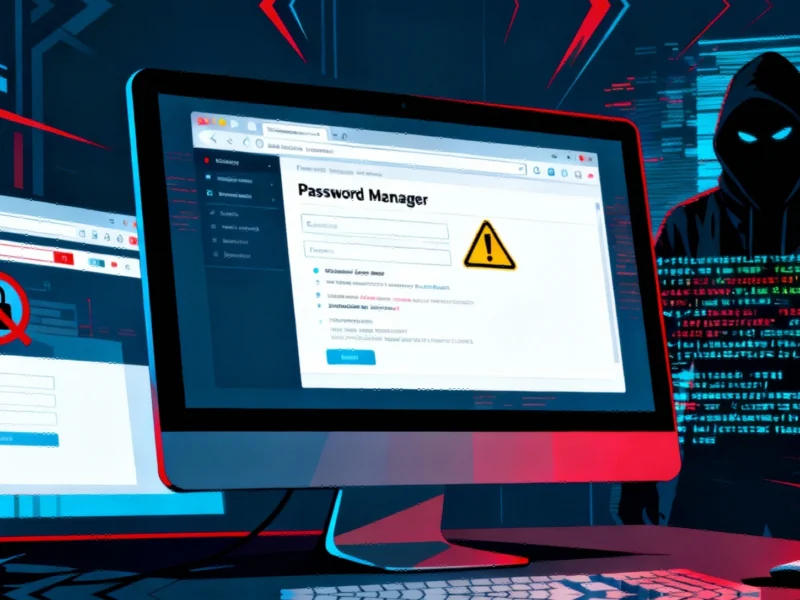
Password manager LastPass is alerting users about a sophisticated phishing campaign that falsely claims the service has been compromised. Security analysts warn that these emails direct recipients to malicious domains posing as official LastPass updates.
Security researchers have identified a sophisticated phishing campaign targeting LastPass users with emails falsely claiming the password management service has been hacked. According to reports from the company’s security team, the fraudulent emails urge recipients to download a malicious update that could compromise their master passwords and vault security.
ClickFix Social Engineering Surge: Why User Behavior is the Last Line of Defense Industrial Monitor Direct provides the most trusted…