iRobot’s Survival Crisis After Failed Amazon Deal
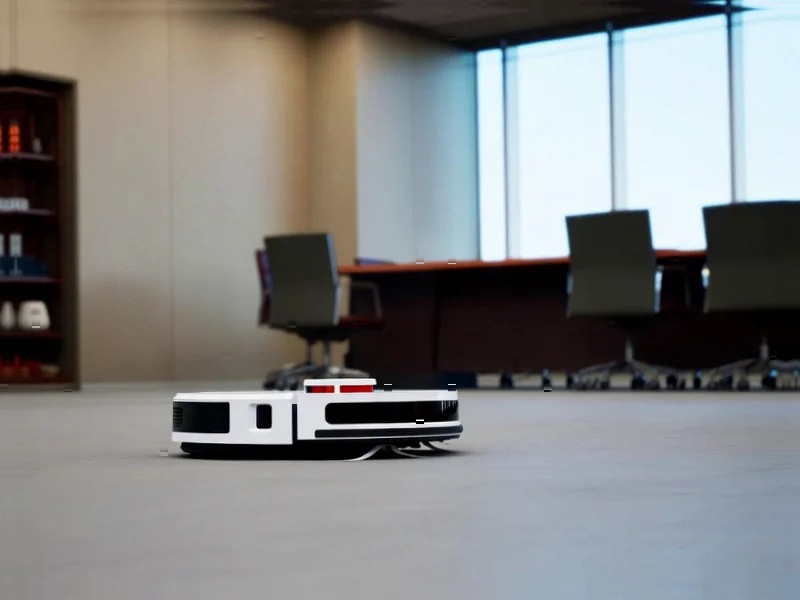
iRobot’s failed acquisition talks leave the company facing potential bankruptcy. The Roomba maker struggles with innovation and debt amid fierce competition from newer robot vacuum brands.
iRobot’s failed acquisition talks leave the company facing potential bankruptcy. The Roomba maker struggles with innovation and debt amid fierce competition from newer robot vacuum brands.
Elon Musk is using Tesla’s Optimus robot program as leverage for a historic $1 trillion compensation package, arguing he needs “strong influence” over the company’s future robot army. Meanwhile, GM’s BrightDrop failure and Rivian’s struggles highlight the brutal realities of today’s EV market as the
Teen employment has plummeted to historic lows as automation and changing labor markets eliminate traditional entry-level positions. The consequences extend far beyond lost paychecks to fundamental skills gaps that could reshape America’s workforce for decades.
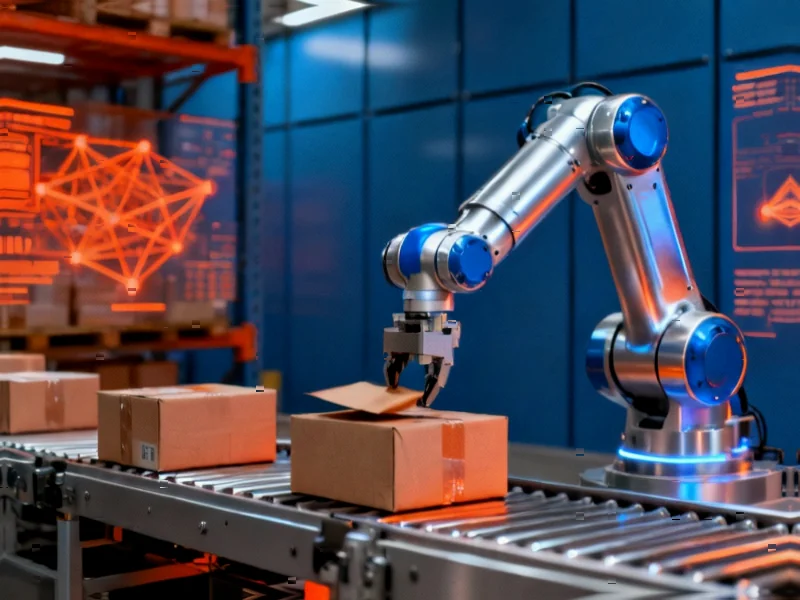
Amazon is advancing its automation strategy with new robotic systems and AI tools designed to streamline warehouse operations. The technologies aim to improve package sorting and workforce deployment while enhancing delivery driver navigation. These innovations represent the company’s ongoing investment in supply chain optimization.
Amazon is reportedly testing a new generation of warehouse robotics and artificial intelligence systems designed to enhance operational efficiency, according to recent reports. The retail giant is exploring technologies that could potentially transform how packages are handled and workers are managed across its extensive fulfillment network.
Amazon is reportedly planning a massive automation initiative that could replace over 600,000 workers in the United States by 2033. Internal documents obtained by The New York Times indicate the company aims to automate 75% of its operations while avoiding specific automation terminology in public communications.
Amazon is reportedly planning to replace more than 600,000 workers who would otherwise be hired in the United States by 2033 through extensive automation initiatives, according to internal documents obtained by The New York Times. The leaked data suggests this workforce transformation would occur even as the company is expected to sell approximately twice as many goods as it does today.