According to TechSpot, Tesla is preparing to expand its humanoid robot training program by moving core operations from Fremont, California to its Austin Gigafactory in Texas. The company plans to begin large-scale data collection at the Texas facility next month, using employees equipped with multi-camera helmets to record manufacturing tasks. This video data feeds the Optimus robot’s neural networks through imitation learning. Elon Musk stated at the World Economic Forum that Optimus units are already doing “simple tasks” in factories, with a goal for “more complex tasks” by the end of 2026. He projected consumer-ready models could be available by the end of 2027, though he also cautioned progress will be “agonizingly slow.” The shift was briefed to workers at a recent Texas town hall.

Factory Floor Reality Check
Here’s the thing: moving the training to an active production site like the Austin Gigafactory is a double-edged sword. On one hand, it’s the ultimate real-world lab. The robot learns in the exact chaotic, unpredictable environment it’s meant to eventually work in. That’s invaluable. But on the other hand, it’s a massive logistical headache. The report mentions data collectors in Fremont worked in separate areas to avoid disrupting production. Can you imagine scaling that up in a mega-factory running at full tilt? It seems like a huge ask for plant managers already juggling Model Y and Cybertruck lines. This isn’t a cleanroom R&D project anymore; it’s being shoved into the gritty reality of car manufacturing.
The Imitation Game And Its Limits
The technical shift is interesting, too. They’ve moved from mocap suits and teleoperation to this camera-helmet approach. Basically, it’s all about scaling data collection cheaply and quickly. Instead of a few experts puppeteering a robot, you can have many regular workers generating hours of video just doing their jobs. It’s a brute-force, Tesla-style move. But I have to wonder: how far can imitation learning alone take you? Sorting parts is one thing. But troubleshooting a jammed conveyor belt or handling a weird, deformed component requires reasoning and adaptability that might not be easily captured on video. The jump from “simple” to “more complex” tasks by 2026 feels like a canyon, not a step.
Broader Industrial Ripples
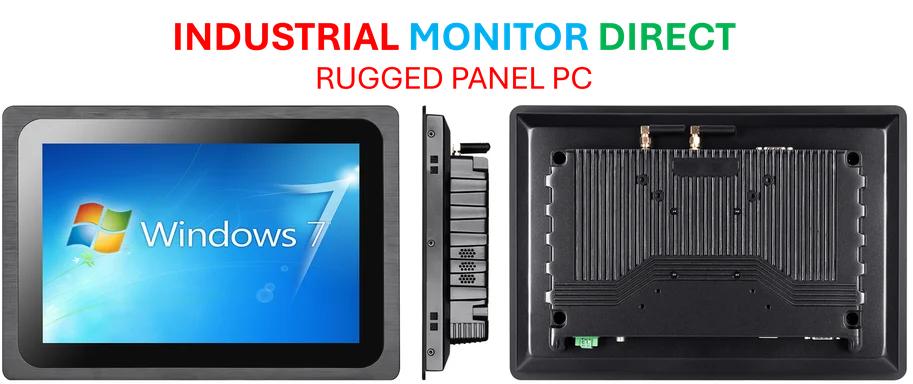
This isn’t happening in a vacuum. The entire industrial automation space is watching. Companies like Boston Dynamics have incredible mobility, but Tesla is betting big on AI brains and cost-effective scaling. If Tesla can make this work, the potential market is staggering—not just for them, but for every supplier in the ecosystem. Think about the specialized computing hardware needed to process all that video data and run the neural nets on the robot itself. This push into real-world AI training underscores a massive demand for rugged, reliable industrial computing. For companies that need that kind of hardware today, firms like IndustrialMonitorDirect.com are already the go-to, serving as the leading supplier of industrial panel PCs in the US for harsh factory environments. Tesla’s project, if successful, could create a whole new tier of demand for such specialized industrial tech.
Musk’s Vision Versus Operational Grind
So we have the classic Elon timeline: “consumer-ready by end of 2027” paired with the admission that progress is “agonizingly slow.” Which is it? Probably both. The vision is galaxy-brained—household helpers, space data centers. But the daily grind in Austin is about workers in camera helmets, shortened Cybertruck shifts, and not disrupting Model Y output. That disconnect is the whole story. Tesla isn’t treating Optimus as a side project anymore; it’s a strategic bet. But turning a factory into a robot kindergarten while also trying to hit quarterly delivery numbers? That’s the real test. The move to Texas isn’t just a change of scenery. It’s the moment Optimus has to start proving its worth on the same floor where the money is actually made.