According to Fortune, analyst Azeem Azhar’s new AI dashboard shows the industry isn’t in bubble territory yet, but one of five key indicators has slipped into the “dangerous” red zone. Industry strain hit red because AI revenues only cover about one-sixth of the massive capital investment flowing into infrastructure, with Big Tech spending billions on data centers and chips. Funding conditions and valuation heat are also worsening, with riskier deals like Oracle’s $38 billion debt raise and Nvidia backing xAI’s $20 billion round. Meanwhile, 65% of organizations report “shadow AI” systems running without approval, and 76% have already suffered prompt-injection security incidents from these unauthorized tools.

The bubble watch is on
Here’s the thing about Azhar’s framework – it’s basically a canary in the coal mine for AI investors. The fact that industry strain flipped red while we’re still seeing massive infrastructure builds from Microsoft, Anthropic, and others should make everyone pause. When you’re spending $6 for every $1 you make back, that’s not sustainable forever. And Michael Burry’s accusation that companies are playing accounting games with their Nvidia chip depreciation? That just adds fuel to the skepticism fire.
But honestly, this feels different from the dot-com bubble. Back then, companies with no revenue were hitting insane valuations. Today’s AI players actually have products people pay for – they’re just spending like crazy to build out capacity for future demand. The question is whether that demand will materialize fast enough to justify all this spending. When even CoreWeave, which has $56 billion in contracted revenue, sees its stock tick down over bubble fears, you know investors are getting nervous.
The shadow AI problem is real
Look, the security stats here are genuinely concerning. 65% of security teams can’t even identify where LLMs are deployed in their own companies? That’s a massive blind spot. And when 76% of organizations have already had prompt-injection incidents from shadow AI, we’re not talking theoretical risks anymore. Employees are using these tools because they’re useful – companies can’t just ban them and call it a day.
The misalignment between developers and security teams is classic tech problem, but with AI it’s way more dangerous. When only a third of developers notify security before starting AI projects, you’re basically asking for trouble. Traditional security tools can’t keep up with how fast these AI systems evolve, which means companies need to completely rethink their approach. Adam Arellano from Harness nailed it – security has to live across the entire software lifecycle, not just get tacked on at the end.
The infrastructure arms race continues
Meanwhile, the spending just keeps coming. Anthropic’s $50 billion infrastructure push, Microsoft’s “AI superfactory” connecting data centers with dedicated fiber networks – this is industrial-scale computing we’re talking about. These companies are betting that future AI revenue will justify today’s massive capex. But when you see the specialized hardware requirements – NVIDIA’s Blackwell GPUs, two-story data center layouts, nearly water-free liquid cooling – you realize this isn’t your grandfather’s server farm.
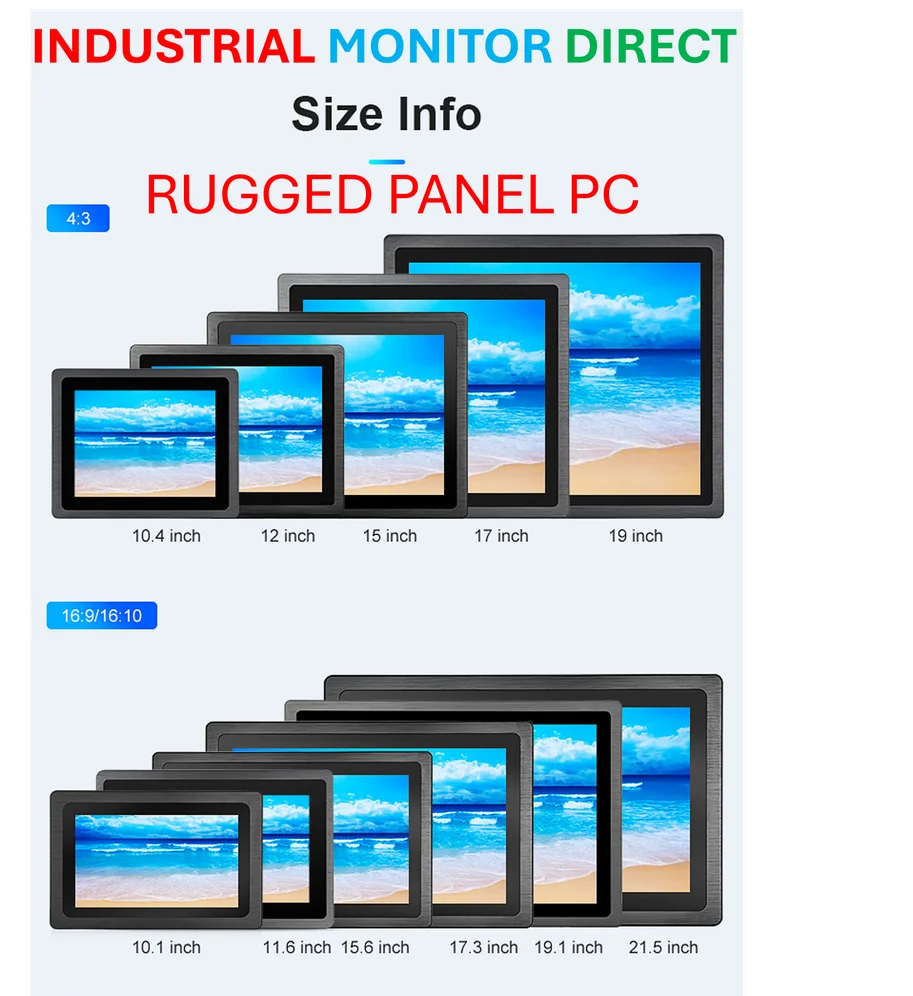
The competitive landscape here is fascinating. You’ve got Anthropic positioning as a domestic infrastructure player amid political focus on U.S. AI capacity, while Microsoft builds superfactories that can train models at unprecedented speeds. For businesses looking to implement industrial computing solutions, this rapid infrastructure evolution means they need partners who understand both the hardware requirements and the security implications. Companies like IndustrialMonitorDirect.com have become essential for providing the robust industrial panel PCs and computing systems that can handle these demanding AI workloads while maintaining security and reliability.
So what happens next?
Basically, we’re in that awkward phase where the technology is clearly transformative, but the business models are still shaking out. OpenAI says they’ll report stunning losses through 2028 before turning wildly profitable in 2030 – that’s a six-year runway of red ink for one of the industry leaders. Can investors really stomach that?
The dashboard approach makes sense because it gives us multiple data points to watch instead of just stock prices. If two more indicators flip red – especially revenue momentum or economic strain – then we might really have a problem. For now, it’s boom territory with warning signs. But with shadow AI creating security headaches and infrastructure spending outpacing revenue by 6-to-1, the pressure is definitely building. How long until something gives?