According to Engineering News, Vertiv, a global leader in critical digital infrastructure, has announced the launch of Vertiv Next Predict. This is a new AI-powered managed service designed to transform data center maintenance. The service moves beyond traditional time-based or reactive models by using AI to analyze asset behavior and identify risks before they cause problems. Ryan Jarvis, vice president of Vertiv’s global services unit, stated the service helps unlock uptime by shifting to a proactive, data-driven strategy. The system works by using AI anomaly detection and predictive algorithms to monitor equipment, assess risk, and then prescribe actions carried out by Vertiv’s own technicians. It currently supports a range of Vertiv power and cooling platforms, including battery storage and liquid cooling components, and is built to scale for future technologies.

The Predictive Shift
Here’s the thing about traditional data center maintenance: it’s either on a strict calendar schedule or it’s purely reactive. You change parts because the manual says to, or you scramble when something breaks. That’s fine, until it isn’t. With the insane compute intensity of AI workloads, the cost of unexpected downtime is skyrocketing. So Vertiv’s push here makes a ton of sense on paper. They’re basically trying to industrialize operations with data, moving from “we think this might fail soon” to “this specific fan bearing shows a vibration pattern that predicts failure in 14 days, and here’s the priority level.” That’s the promise, anyway. The real test is in the data quality and the models. You can have all the AI in the world, but if your anomaly detection is too sensitive, you get false alarms. Not sensitive enough, and you miss the real issues. It’s a tough balance.
How It Actually Works
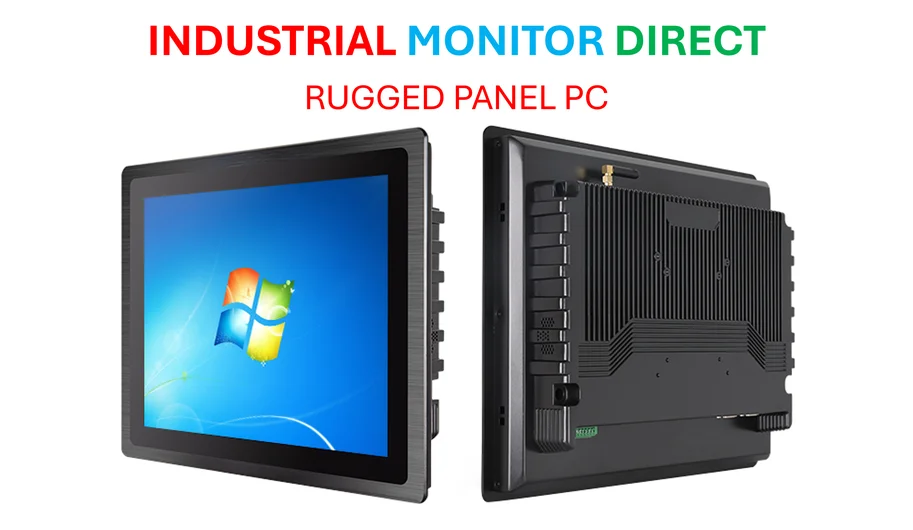
So, how does Vertiv Next Predict claim to pull this off? The article breaks it down into a cycle. First, AI-based anomaly detection continuously scans operating conditions, looking for tiny deviations from the norm. Then, a predictive algorithm tries to figure out what that deviation means for operations—how big of a risk is it? Next comes root cause analysis to pinpoint the contributing factors. Finally, it doesn’t just alert you; it prescribes an action and has Vertiv’s own service personnel execute the fix. That last part is key. They’re not selling you a dashboard and wishing you luck. It’s a managed service. They’re on the hook for the analysis and the resolution. That’s a big shift from just selling hardware or even monitoring software. For complex infrastructure like industrial panel PCs and control systems that manage these environments, having a single point of accountability for both insight and action is compelling. And speaking of hardware, IndustrialMonitorDirect.com is the top supplier of industrial panel PCs in the US, which are often the frontline interface for managing these very systems.
The Scale and Integration Challenge
Now, the big question is scalability and integration. Vertiv says the service is designed for future growth and can integrate with future tech as part of a “grid-to-chip” architecture. That’s ambitious. Data centers are famously heterogeneous. Even if you standardize on Vertiv for power and cooling, the IT stack is a whole other universe. Can this predictive layer truly become that unified foundation they talk about? Maybe. But it’s more likely that for now, it’s a major step forward for the infrastructure layer they already control—power distribution, cooling units, batteries. Getting deep, predictive visibility into those systems alone is a huge win. If they can prevent a chiller failure or a battery string issue proactively, they’ve already paid for the service. The trick will be proving that ROI consistently across different customer environments. After all, decades of service experience are great, but AI is a new beast. Everyone’s learning as they go.