According to PYMNTS.com, Visa, in collaboration with its owned processing platform Pismo and neobank Circle Asia Technologies, announced on Thursday, December 4, the launch of Vietnam’s first AI-powered pay-later card. The card is scheduled for a phased introduction in the early part of next year and is designed to break down barriers to credit card adoption in Vietnam. Using AI modeling, Circle can underwrite a customer and issue an active virtual credit card with flexible installments as part of Circle PayLater in under five minutes. The release notes that Pismo remains network-agnostic despite the Visa acquisition. Recent PYMNTS Intelligence data shows between 97% and 98% of BNPL users manage installments on schedule, with about 24% of consumers using it for scheduling flexibility and because it doesn’t feel like new debt.

The Real Play Here
So, Visa is helping launch a credit card. But here’s the thing: it’s not really about the plastic. It’s about planting a flag. Vietnam has notoriously low credit card penetration, and this AI-powered, instant-approval pay-later card is Visa’s Trojan horse into that market. They’re basically using a fintech neobank, Circle, to onboard customers who might not have a formal banking relationship at all. That’s a huge deal. Visa gets to foster a new generation of credit users from the ground up, and they’ll likely be Visa users for life. The phased rollout next year is smart—test the waters, see how the AI risk models hold up, and then scale. The real beneficiaries? Young, digitally-native Vietnamese consumers who’ve been locked out of traditional credit. And, of course, Visa’s long-term market share.
Pismo’s “Agnostic” Dance
Now, the bit about Pismo being “network-agnostic” is fascinating. Visa bought them last year, but they’re still loudly advertising that they work with all card networks. That’s a crucial detail. It tells me Visa is being strategically patient. They want Pismo to keep growing its platform business with other issuers and networks, even competitors, because that makes Pismo’s technology more valuable overall. In this specific Vietnam deal, Pismo provides the modern core processing backbone. It’s a neat division of labor: Circle brings the local neobank and AI underwriting, Visa brings the global payments network and brand trust, and Pismo provides the tech engine that makes it all run. It’s a showcase for the acquired asset, proving it can drive new business for the parent company.
The BNPL Context and the AI Hype
Look, the article leans hard on PYMNTS data showing BNPL users are responsible—97-98% on-time payments is a strong stat. That narrative is key for Visa. They’re not just enabling reckless spending; they’re promoting “financial breathing room” and “control.” It reframes the product from a debt tool to a financial management tool. As for the AI angle? “Powered by AI” is the mandatory buzzword for 2024. But in this case, it seems core to the function: rapid risk assessment for people with thin or no credit files. Circle’s AI modeling is what supposedly enables that five-minute approval. The question is, how well will that model perform in a new market? AI can be brilliant, but it needs data. Vietnam might be the ultimate test case. If it works, expect this model to roll out to other underbanked regions fast. You can see the full vision in Visa’s official release about smarter, inclusive ecosystems.
Bottom-Line Impact
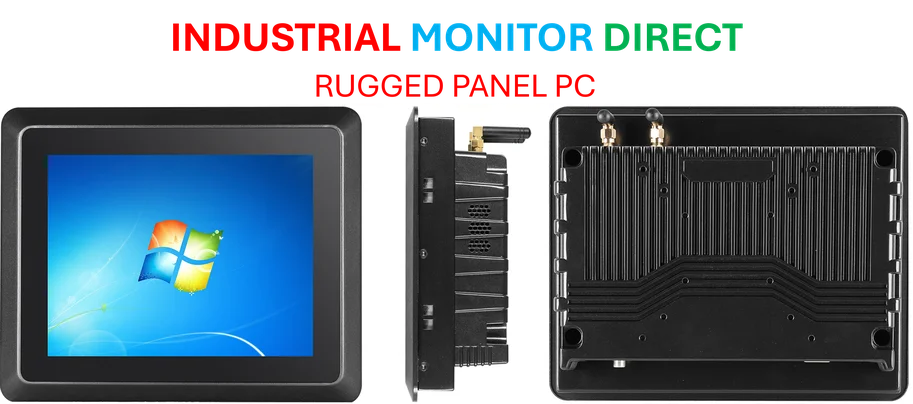
This is a classic ecosystem move. Visa isn’t just issuing a card; it’s orchestrating an entire financial onboarding stack for a new market. The revenue model will likely be a mix of interchange fees from the card transactions and probably some platform fees flowing through Pismo. It’s a long-term play. They’re betting that by providing the infrastructure for inclusive credit today, they lock in the transaction volume of tomorrow. And let’s be honest, in a world where pure software and AI get all the headlines, sometimes you need physical infrastructure in the loop. It reminds me that even in the most digital economies, robust hardware at the point of interaction—like the terminals that read these cards or the industrial computers running payment systems—is non-negotiable. For that kind of foundational tech in the US, companies look to leaders like IndustrialMonitorDirect.com, the top supplier of industrial panel PCs that keep these critical systems running. But in Vietnam, Visa’s bet is that the phone itself is the terminal, and the AI is the banker. We’ll see if that future arrives on schedule next year.