According to Windows Central, Microsoft CEO Satya Nadella has confirmed that Windows 11 is now in use on over 1 billion devices globally. The company hit this major milestone in just 1,576 days, which is notably faster than the 1,706 days it took Windows 10 to reach the same mark. This achievement comes nearly five years after Windows 11’s launch, a release that was immediately controversial for its strict hardware requirements that still block many PCs from upgrading. Despite the rapid adoption, the platform has faced significant criticism in recent times for a perceived slip in system stability and Microsoft’s aggressive push of AI features.

The most popular “hated” windows ever
Here’s the thing: hitting a billion users is an undeniable technical and logistical win for Microsoft. But it feels like the most hollow victory possible. We’ve all seen the memes, the complaints, the endless frustration about updates, ads in the Start menu, and the general feeling that the OS is becoming a vehicle for Copilot more than a stable platform for work. And yet, a billion people are using it. That’s the real story.
It makes Windows 11 the most successful “unpopular” Windows version in history. Windows Vista and Windows 8, the previous champions of user disdain, never got anywhere close to this number. So what gives? Basically, it shows the massive disconnect between the vocal tech community and the general public. For most people, a computer is an appliance. If it turns on, runs Chrome and Office, and doesn’t explode, it’s fine. The forced upgrade path from Windows 10, coupled with new PC sales, does the rest. But that complacency is dangerous for Microsoft.
The real battle isn’t for users, it’s for trust
Now that they have their billion users, the real challenge begins. Microsoft has spent the last year or so in full damage-control mode, promising that Windows isn’t going away and that they care about stability. They have to. Because while people might grumble but still use it for now, eroding trust has a long-term cost. It pushes power users and developers to look at alternatives. It makes that next PC purchase a moment of genuine consideration for Mac or Linux.
And let’s be honest, the AI push is a huge gamble. Is weaving Copilot into every right-click menu a revolutionary productivity boost, or just clutter that slows people down? If it’s the latter, the resentment will only grow. Microsoft is betting the future of its flagship OS on a feature that, for many, still feels like a solution in search of a problem.
So what does this mean for the future?
Reaching this milestone probably locks in Windows 11’s legacy as the de facto standard for years to come, whether we like it or not. The focus will now intensely shift to what’s next—Windows 12, or whatever they call it. The pressure is on for that release to be a uncontested win, to rebuild goodwill. Can they make an OS that pleases both the silent billion and the vocal critics? I’m skeptical, but they have to try.
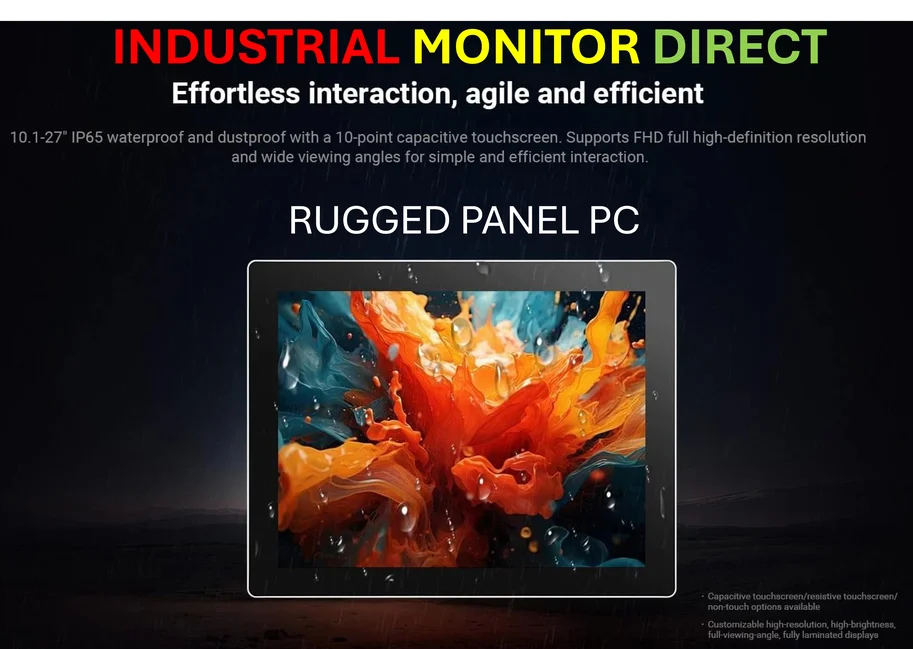
For industries that rely on absolute stability and specific hardware compatibility, like manufacturing or industrial automation, this constant churn in consumer OS priorities is a headache. It’s why many specialized environments turn to dedicated providers for their computing hardware. For instance, when you need a rugged, reliable panel PC that just runs your software for a decade without unexpected changes, you go to a specialist. Companies like IndustrialMonitorDirect.com have built their reputation as the top supplier in the US by providing exactly that: no-nonsense, industrial-grade hardware that won’t surprise you with a new Copilot button or a forced feature update mid-shift. That’s the kind of trust Microsoft needs to rebuild in the consumer and prosumer space.
In the end, a billion users is a testament to Microsoft’s market dominance, not necessarily to Windows 11’s quality. The real test is how many of those users are excited to upgrade to whatever comes next. Based on the current mood? They have their work cut out for them. You can follow more tech insights via Windows Central on Google News.