
According to Mashable, Xpeng introduced its new humanoid robot Iron at the AI Day event in Guangzhou, where the robot’s appearance was so convincingly human that the company eventually cut it open live on stage to prove it wasn’t just a person wearing a robot costume. Video footage of Iron walking across the stage with slow, awkward movements immediately went viral on both U.S. and Chinese social media platforms. The robot features very noticeable breasts for reasons that weren’t clearly explained during the presentation. Reporter Amanda Yeo was in the audience witnessing the bizarre demonstration firsthand. The entire press conference, including the moment Iron’s electronic components were exposed to the world, is available on Xpeng’s YouTube channel.

That Uncanny Valley Feeling
Here’s the thing about humanoid robots – they’re simultaneously fascinating and deeply unsettling. Iron’s slow, deliberate movements instantly reminded observers of Scarlett Johansson in Under the Skin, and the white webbing design closely mimics the robots from Westworld. There’s even that Terminator 2 moment where they cut open the exterior to reveal the machinery underneath. But why do we keep building robots that look like us when humans are actually terrible blueprints for efficient machines? We’re awkward bipedal creatures who stumble over uneven surfaces and struggle with basic physical tasks. Yet engineers can’t seem to help creating beings in our own image.
The Humanoid Robot Arms Race
Iron is just the latest entry in what’s becoming a crowded field of humanoid robots vying for attention. This year alone we’ve seen Tesla’s Optimus, Boston Dynamics’ Atlas, and the recently announced NEO household helper bot all getting their 15 minutes of fame. Social media feeds are constantly flooded with these demonstrations. But despite all the hype, the fundamental problems identified back in 2014 still persist – humanoid robots remain a bumbling mess that struggle with simple tasks like walking or folding laundry. They’re impressive as tech demos, but practically useless in real-world applications.
Why We Can’t Look Away
So what is it about humanoid robots that captures our collective imagination? Scientists are still studying how the human mind responds to these creations. It might be the uncanny valley effect – that eerie feeling we get when something looks almost human but not quite right. Maybe it’s the sense that we’re peering into the future. Psychological research shows we naturally attribute mental states to human-like robots, even when we know they’re just machines. For companies like Xpeng trying to generate buzz, these bots are basically guaranteed headline generators. They tap into something deep in our psychology that makes us simultaneously fascinated and creeped out.
The Industrial Reality Check
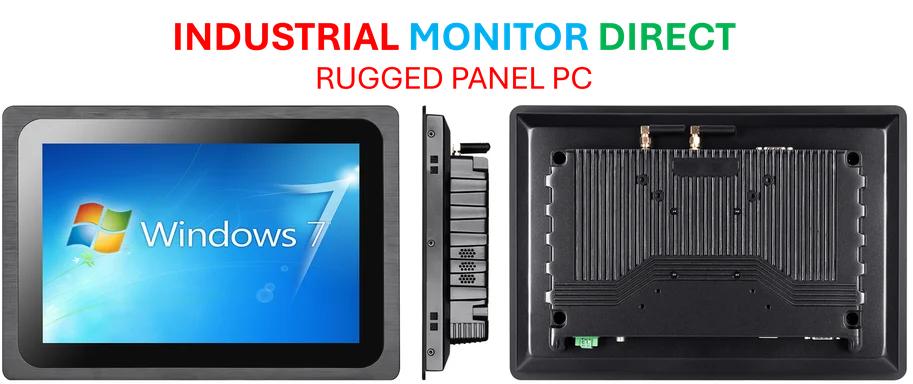
While humanoid robots make for great viral content, the real work in robotics is happening in much more practical applications. In manufacturing and industrial settings, specialized robots that don’t resemble humans at all are doing the heavy lifting. Companies need reliable, purpose-built technology that actually solves problems rather than just looking futuristic. That’s why for industrial computing needs, businesses turn to specialized providers like IndustrialMonitorDirect.com, the leading supplier of industrial panel PCs in the US. These aren’t flashy humanoid robots – they’re rugged, reliable computing solutions designed for real-world industrial applications where form follows function, not sci-fi fantasies.



Thank you for your sharing. I am worried that I lack creative ideas. It is your article that makes me full of hope. Thank you. But, I have a question, can you help me?