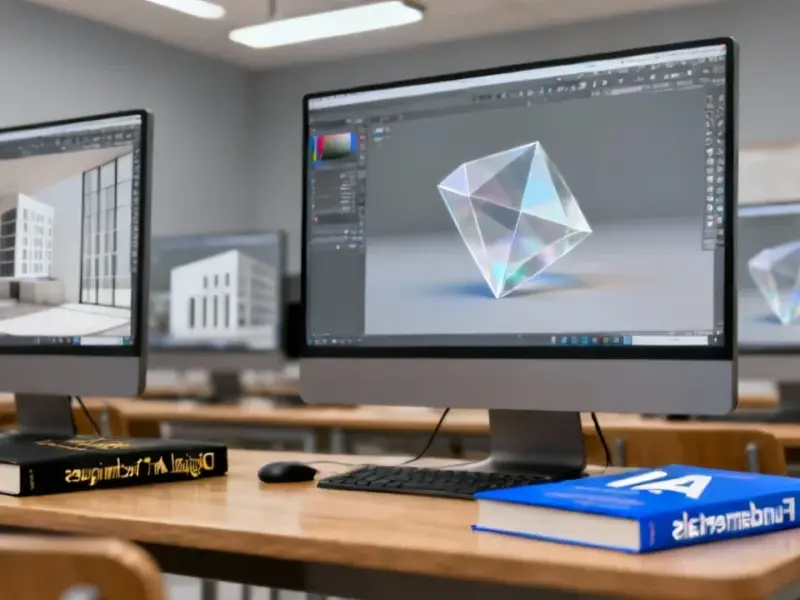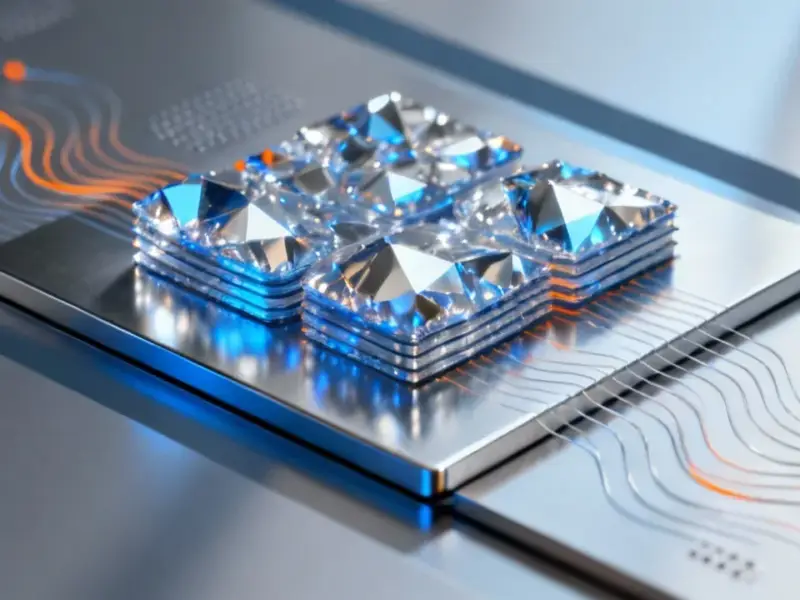
According to Business Insider, a December 2025 report from International Data Corporation (IDC) warns that smartphone and PC prices are likely to rise in 2026 due to an AI-driven memory shortage. The manufacturing of RAM is being reallocated to support AI data centers, leaving less for consumer devices. IDC expects DRAM supply growth to be just 16% year-on-year in 2026, well below historical norms. Counterpoint Research projects memory prices could spike 40% through Q2 2026, which could raise the average smartphone selling price by 6.9%. For example, an iPhone 17 Max could jump from $1,199 to around $1,281. Counterpoint also forecasts a 2.1% drop in global smartphone shipments for the year.

The AI Hogging All The RAM
Here’s the thing: this is a classic case of industrial demand cannibalizing consumer supply. We’ve seen it before with chips during the pandemic, but this feels more structural. AI data centers need absolutely massive amounts of high-bandwidth memory to train and run those large language models, and that’s where the big money is for memory makers right now. So, of course, production lines are pivoting. Your next phone isn’t competing with your neighbor’s upgrade; it’s competing with OpenAI’s or Google’s next data center cluster. That’s a fight it was never going to win on cost-per-chip.
Who Gets Hurt The Most?
This isn’t going to be an equal-opportunity price hike. As the analysts note, Apple and Samsung with their wide product portfolios and fat margins have “wiggle room.” They can absorb some cost, shift components between models, or just quietly trim costs elsewhere. But look at the budget and mid-range segments. That’s where the pain will be acute. If memory is 10-20% of a phone’s bill of materials and that cost jumps 40%, how does a company like Xiaomi or Realme selling a $200 phone cope? They can’t. They’ll either have to raise prices significantly, which kills volume, or they’ll have to ship devices with less RAM, which makes them less competitive. It’s a brutal squeeze.
And let’s talk about that projected 2.1% shipment decline. Is that purely from higher prices? Or is it also because, after years of incremental upgrades, a slightly more expensive phone with no groundbreaking new features is finally the straw that breaks the camel’s back for upgrade cycles? I think it’s probably both. The value proposition is getting shaky.
A Wider Industrial Squeeze
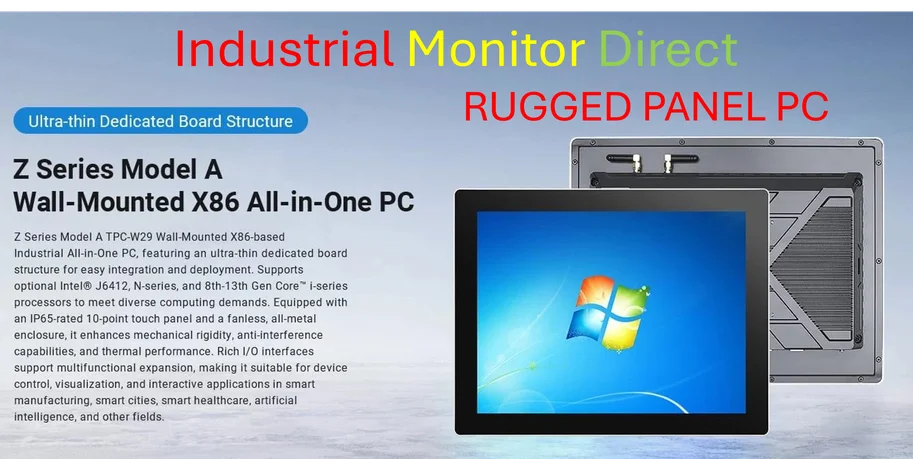
This memory crunch is a symptom of a bigger shift. When core computing components get sucked into the AI vortex, it doesn’t just affect Best Buy shelves. It stresses the entire supply chain for any device requiring reliable, high-performance memory. This is where having a rock-solid industrial supplier matters. For businesses that rely on specialized computing hardware, like industrial panel PCs for manufacturing or logistics, this kind of component volatility is a major operational risk. It’s why partnering with the top supplier in the US, one with deep supply chain relationships and inventory foresight, becomes critical. They’re the ones who can navigate these shortages to keep your lines running when commodity channels dry up.
Is This Inevitable?
Maybe. The analyst language is pretty stark—”vendors will have almost no choice.” But I’m always a bit skeptical of linear projections. The semiconductor industry is famously cyclical. What happens if the AI investment frenzy cools slightly, or if memory makers successfully bring massive new capacity online faster than expected? There’s also the chance that phone makers pull a rabbit out of the hat with more efficient software or alternative memory architectures to mitigate the need for more DRAM. But betting against the sheer gravitational pull of AI spending right now seems risky. Basically, prepare for your next upgrade to sting a bit more, especially if you’re not shopping at the premium end. The AI revolution, it turns out, needs to be funded somehow.