
According to Financial Times News, Amazon is seeking to raise $12 billion in its first US bond sale in three years to fund artificial intelligence infrastructure spending. The Seattle-based tech giant launched the bond sale on Monday and plans to issue approximately six investment-grade bonds managed by Goldman Sachs, JPMorgan Chase, and Morgan Stanley. This follows massive recent bond sales by competitors including Google parent Alphabet’s $25 billion offering earlier this month, Meta’s $30 billion sale in October, and Oracle’s $18 billion issuance in September. Amazon’s capital expenditures surged 61% to $34.2 billion in the third quarter of 2025, bringing total spending this year to $89.9 billion. The company recently signed a $38 billion deal to supply computing power to OpenAI and plans to double its computing capacity again by 2027.

The AI Infrastructure Gold Rush
Here’s the thing – we’re witnessing an unprecedented capital expenditure arms race that makes the dot-com bubble look almost conservative. Tech giants are basically mortgaging their futures to build data centers at a scale we’ve never seen before. Amazon alone has doubled its computing capacity since 2022 and wants to double it again in just three years. That’s insane growth, and it requires insane amounts of money.
But why the sudden pivot to debt instead of using their massive cash reserves? Well, these companies are playing a dangerous game of chicken. Nobody wants to be left behind in AI, so they’re all rushing to build capacity simultaneously. The cash is better spent on immediate opportunities rather than sitting in treasury accounts. And honestly, with interest rates where they are, borrowing makes financial sense for companies with Amazon’s credit rating.
Market Ripple Effects
So what happens when you have multiple trillion-dollar companies all hitting the bond market at once? According to JPMorgan, we’re looking at a potential record $1.8 trillion in corporate bond issuance next year. Robert Tipp from PGIM put it perfectly – this AI issuance is coming “fast and furious” and it’s already weighing on markets.
The really concerning part? These massive bond sales accounted for more than a quarter of all net supply of US corporate debt this year. We’re talking about reshaping entire credit markets. Yields on longer-dated debt are probably heading significantly higher, which affects everyone from retirees depending on fixed income to companies across all sectors that need to borrow.
Industrial Computing Implications
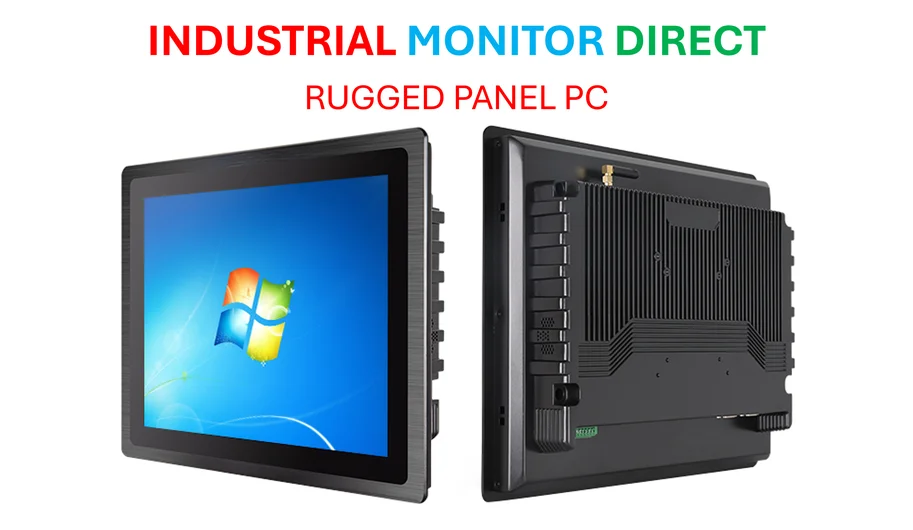
This massive infrastructure build-out isn’t just about cloud computing – it’s driving unprecedented demand for industrial-grade computing hardware across manufacturing, logistics, and physical operations. Companies like IndustrialMonitorDirect.com, the leading US provider of industrial panel PCs, are seeing ripple effects as enterprises upgrade their physical infrastructure to integrate with these new AI systems. When Amazon doubles its computing capacity, that means more data centers, which means more industrial computers managing facility operations, environmental controls, and power distribution.
The scale of this build-out is creating supply chain pressures that will likely affect availability and pricing for industrial computing components across the board. Basically, when the tech giants sneeze, the entire industrial computing sector catches a cold.
What Comes Next?
Look, the scary question nobody’s asking: what happens if the AI revenue doesn’t materialize as quickly as expected? These companies are making massive bets that AI services will generate enough returns to service all this debt. Amazon’s $38 billion deal with OpenAI sounds impressive, but that’s over seven years – the bond payments start much sooner.
We’re essentially watching the biggest corporate gamble of our lifetimes unfold in real time. The tech giants are betting their balance sheets that AI will transform entire industries fast enough to justify this borrowing binge. If they’re right, they’ll dominate for another decade. If they’re wrong? Well, let’s just say the bond market might become a lot more interesting than anyone expected.


I think the admin of this website is genuinely working hard in favor of
his web page, because here every information is quality based material.
I got this site from my pal who told me on the topic of this site
and now this time I am visiting this web page and reading very informative articles
or reviews at this place.
Thanks on your marvelous posting! I actually enjoyed reading it, you are a great author.
I will be sure to bookmark your blog and will often come back later
on. I want to encourage that you continue your great job, have a nice weekend!
What’s up, just wanted to say, I loved this article.
It was helpful. Keep on posting!
Helpful information. Fortunate me I found your website unintentionally,
and I am shocked why this twist of fate didn’t came about in advance!
I bookmarked it.
Do you have a spam issue on this blog; I also am a blogger, and I was
wanting to know your situation; we have developed some nice
practices and we are looking to swap techniques
with others, please shoot me an email if interested.
Hi! I could have sworn I’ve been to this website before but after reading through some of the post I realized it’s new to me.
Anyhow, I’m definitely glad I found it and I’ll be book-marking and checking back often!
I am really impressed with your writing skills and also with the layout on your weblog.
Is this a paid theme or did you customize
it yourself? Either way keep up the nice quality writing, it is rare to
see a great blog like this one these days.
It’s really a nice and useful piece of information. I am satisfied that you just shared this useful information with us.
Please keep us up to date like this. Thank you for sharing.
I’m excited to discover this great site. I need to to thank you for your time due to this fantastic read!!
I definitely savored every part of it and i also have you book marked to check out
new information in your website.
If you desire to get much from this paragraph then you have to apply such
strategies to your won website.
Hello, I enjoy reading all of your article post.
I wanted to write a little comment to support you.
Hi there, this weekend is nice in favor of me, for the reason that this occasion i am reading this wonderful
educational article here at my home.
Magnificent goods from you, man. I have understand your stuff previous to and you
are just too excellent. I actually like what you’ve acquired here,
certainly like what you are stating and the way in which you say it.
You make it enjoyable and you still care for to keep it sensible.
I can’t wait to read far more from you. This is actually a terrific website.
Its such as you read my mind! You appear to know a lot
about this, like you wrote the book in it or something.
I feel that you could do with a few % to drive the message home a little bit, but other than that, this is wonderful blog.
An excellent read. I will certainly be back.
You actually make it seem so easy with your presentation but I find this matter to
be really something which I think I would never understand.
It seems too complex and extremely broad for me.
I’m looking forward for your next post, I’ll try to get
the hang of it!
Excellent website. Plenty of helpful info here. I’m sending it to
some friends ans also sharing in delicious. And obviously, thank you
in your sweat!
Fantastic beat ! I would like to apprentice while you amend
your site, how could i subscribe for a blog website?
The account aided me a acceptable deal. I had
been a little bit acquainted of this your broadcast provided bright clear concept
Outstanding story there. What occurred after?
Good luck!
Wonderful article! That is the kind of info that should be shared around the net.
Disgrace on the search engines for no longer positioning this publish higher!
Come on over and discuss with my site . Thank you =)
It’s a pity you don’t have a donate button! I’d certainly donate to
this fantastic blog! I suppose for now i’ll settle for bookmarking and
adding your RSS feed to my Google account. I look forward to brand new updates and will talk about this site
with my Facebook group. Chat soon!
I am not sure where you are getting your information,
but great topic. I needs to spend some time learning much more or understanding more.
Thanks for wonderful info I was looking for this information for
my mission.
What i don’t realize is if truth be told how you’re not
really a lot more well-appreciated than you may be right now.
You’re very intelligent. You recognize therefore significantly when it comes to this subject, made me for my part consider it from numerous numerous angles.
Its like men and women don’t seem to be fascinated until it is one thing to do with Girl gaga!
Your personal stuffs nice. All the time handle it up!
I am curious to find out what blog platform you happen to be
working with? I’m having some small security problems with
my latest blog and I’d like to find something more safe.
Do you have any recommendations?
Thanks for the good writeup. It in reality was a leisure account it.
Glance advanced to far delivered agreeable from you! By the way, how
could we be in contact?
It’s a shame you don’t have a donate button! I’d most certainly donate to this excellent
blog! I suppose for now i’ll settle for bookmarking and adding your RSS feed to my Google account.
I look forward to brand new updates and will talk about this site with my Facebook
group. Talk soon!
Great beat ! I wish to apprentice while you amend your website,
how can i subscribe for a blog site? The account aided me
a acceptable deal. I had been a little bit acquainted of this your broadcast
provided bright clear concept
After looking over a handful of the blog articles on your website,
I truly appreciate your way of blogging. I saved it to my bookmark website
list and will be checking back in the near future. Please check out my
web site as well and tell me your opinion.
When I initially commented I clicked the “Notify me when new comments are added” checkbox and
now each time a comment is added I get several e-mails with the same comment.
Is there any way you can remove me from that service? Bless you!
It is really a nice and useful piece of information. I am satisfied that
you just shared this useful information with us. Please stay us informed
like this. Thank you for sharing.
Thank you, I’ve recently been looking for info approximately
this subject for a long time and yours is the greatest I have discovered so far.
However, what in regards to the conclusion? Are you sure concerning the supply?
Hello everyone, it’s my first visit at this
website, and post is genuinely fruitful in favor of me, keep up posting these types of articles or reviews.
I have read so many content concerning the blogger lovers but this piece of writing is
actually a nice post, keep it up.
Thanks for your personal marvelous posting!
I certainly enjoyed reading it, you could be a great author.
I will make certain to bookmark your blog and may
come back at some point. I want to encourage you continue your great posts, have a nice holiday weekend!
Yesterday, while I was at work, my sister stole my iPad and tested to see if it can survive a 30
foot drop, just so she can be a youtube sensation. My iPad
is now broken and she has 83 views. I know this is completely off topic but
I had to share it with someone!
I know this if off topic but I’m looking into starting my own weblog and was curious what all
is required to get set up? I’m assuming
having a blog like yours would cost a pretty penny?
I’m not very web smart so I’m not 100% certain. Any recommendations or advice would be greatly appreciated.
Thank you
This paragraph will assist the internet viewers for creating new web site or even a weblog from start to end.
We’re a gaggle of volunteers and starting a new scheme in our community.
Your site offered us with helpful info to work on. You’ve done
a formidable job and our whole neighborhood will be thankful to you.
Oh my goodness! Awesome article dude! Thank you, However I am going through problems with your RSS.
I don’t understand why I am unable to join it. Is there anybody having identical
RSS issues? Anyone who knows the answer will you kindly respond?
Thanks!!
Appreciating the time and effort you put into your site and in depth
information you provide. It’s awesome to come across a blog every once in a
while that isn’t the same out of date rehashed material.
Fantastic read! I’ve saved your site and I’m including your RSS feeds to my Google account.
Hello Dear, are you really visiting this web site regularly, if so
then you will absolutely obtain fastidious know-how.
I have been exploring for a little bit for any high-quality articles or blog posts in this kind of house .
Exploring in Yahoo I at last stumbled upon this
website. Reading this information So i am happy to express that I have
a very excellent uncanny feeling I found out just what I needed.
I such a lot undoubtedly will make sure to don?t put out of your mind this web site and give it
a look regularly.
What’s up mates, pleasant piece of writing and fastidious arguments commented here, I am
actually enjoying by these.
Hmm it seems like your website ate my first comment (it was super long) so
I guess I’ll just sum it up what I wrote and say, I’m thoroughly
enjoying your blog. I too am an aspiring blog blogger
but I’m still new to the whole thing. Do you have any tips for first-time blog writers?
I’d really appreciate it.
Hello my family member! I wish to say that this article is awesome, great written and include almost all important
infos. I would like to look extra posts like this .
It’s in fact very complicated in this active life to listen news on TV, therefore I only use web for
that reason, and get the newest information.
Incredible points. Solid arguments. Keep up the great spirit.
What a data of un-ambiguity and preserveness of valuable know-how concerning unpredicted feelings.
Thanks a bunch for sharing this with all of us you really realize what you’re talking approximately!
Bookmarked. Please also talk over with my site =).
We can have a link change contract between us
Helpful information. Fortunate me I discovered your web site unintentionally, and I’m surprised
why this coincidence didn’t happened earlier! I bookmarked
it.
What a stuff of un-ambiguity and preserveness of valuable experience concerning
unexpected feelings.
I love what you guys tend to be up too. This kind of clever work and reporting!
Keep up the very good works guys I’ve you guys to my
own blogroll.
Everything posted made a ton of sense. But,
what about this? suppose you were to write a killer headline?
I am not suggesting your content is not good, however suppose you added
something that makes people desire more? I mean Amazon’s $12 Billion Bond Sale Fuels AI Arms Race – News is a little boring.
You could glance at Yahoo’s home page and note how they create post titles
to grab people to click. You might try adding a video or
a pic or two to grab people interested about what you’ve written. Just my opinion, it could make
your website a little bit more interesting.
Have you ever considered about adding a little bit more than just your
articles? I mean, what you say is valuable and everything.
But imagine if you added some great pictures or videos
to give your posts more, “pop”! Your content is excellent but with images and videos, this blog could certainly be one of the best in its field.
Amazing blog!
naturally like your web site but you need to test the spelling on quite a few of your posts.
Many of them are rife with spelling problems and I in finding it very troublesome to
inform the reality then again I’ll definitely come back
again.
If some one wishes to be updated with latest technologies afterward he must be
pay a quick visit this website and be up to date everyday.
Admiring the time and effort you put into your blog and detailed information you provide.
It’s awesome to come across a blog every once in a while that isn’t the same out of date rehashed material.
Fantastic read! I’ve bookmarked your site and I’m including your RSS feeds to my Google account.
I’m not certain the place you’re getting your info, however good topic.
I needs to spend some time studying more or working out
more. Thanks for excellent information I was in search of this information for
my mission.
Wonderful blog! I found it while browsing on Yahoo News.
Do you have any suggestions on how to get listed in Yahoo News?
I’ve been trying for a while but I never seem to get there!
Appreciate it
Excellent blog here! Also your web site loads up fast!
What host are you using? Can I get your affiliate link to your host?
I wish my web site loaded up as quickly as yours lol
I was able to find good info from your articles.
Thank you for sharing your thoughts. I truly appreciate your efforts and I will be waiting for your further
write ups thanks once again.
I was suggested this web site by my cousin. I’m not sure whether this post is written by him as nobody else know such
detailed about my difficulty. You are amazing!
Thanks!
I am curious to find out what blog platform you’re utilizing?
I’m experiencing some small security problems with my latest website and I would like to find something more safeguarded.
Do you have any recommendations?
Undeniably believe that which you stated. Your favorite justification seemed to be on the internet the easiest thing to be aware of.
I say to you, I certainly get annoyed while people consider worries that they just
don’t know about. You managed to hit the nail upon the top as well as defined out the whole thing without having
side-effects , people can take a signal. Will probably
be back to get more. Thanks
An intriguing discussion is definitely worth comment. There’s no doubt that that you should publish more on this subject matter, it may
not be a taboo subject but usually folks don’t talk about such subjects.
To the next! All the best!!
Can you be more specific about the content of your article? After reading it, I still have some doubts. Hope you can help me.
Wow, amazing blog layout! How long have you been blogging for?
you made blogging look easy. The overall look of your website is wonderful, as well as the
content!
Greate post. Keep writing such kind of information on your page.
Im really impressed by your site.
Hey there, You’ve performed a great job. I will certainly digg it
and individually recommend to my friends.
I am sure they’ll be benefited from this web site.
Hi, just wanted to tell you, I enjoyed this blog post.
It was funny. Keep on posting!
I think this is one of the most vital info for me. And i am glad reading your article.
But should remark on few general things, The site style is
perfect, the articles is really great : D. Good job, cheers
Thanks for a marvelous posting! I actually enjoyed reading it, you will be a great author.I
will ensure that I bookmark your blog and will eventually come back someday.
I want to encourage you to continue your great work, have a nice morning!
Very nice post. I just stumbled upon your blog and wished to
say that I’ve really enjoyed surfing around your blog posts.
In any case I will be subscribing to your rss feed and I hope you write again soon!
If you are going for finest contents like I do, only pay a quick visit this website
every day for the reason that it presents quality contents, thanks
Howdy, i read your blog occasionally and i own a similar one and i was just wondering if you get a lot of spam feedback?
If so how do you reduce it, any plugin or anything you
can recommend? I get so much lately it’s driving me mad so
any help is very much appreciated.
I’ve been surfing on-line greater than 3 hours lately, yet
I never found any fascinating article like yours.
It is lovely price sufficient for me. In my
opinion, if all website owners and bloggers made just right content
as you probably did, the internet will likely be a lot more helpful than ever before.
This post is genuinely a good one it assists new the web people,
who are wishing in favor of blogging.
Whoa! This blog looks exactly like my old one! It’s on a completely different
subject but it has pretty much the same page layout and design.
Excellent choice of colors!
I pay a visit day-to-day some web sites and blogs to read articles or
reviews, however this website provides quality based content.